

### Blog Post:
EV charger installation at home is now a practical necessity for electric vehicle owners wanting fast, affordable, and reliable charging. But there are essential technical, legal, and cost details you must know before starting, especially in 2024. This guide explains exactly what it takes to install an EV charger at home, what pitfalls to avoid, and how to maximize your investment.
Key Takeaways
- Expect to pay $1,600 on average for a complete Level 2 chargers installation at home, with costs varying by installation difficulty and not geography.
- Major pain points include electrical panel upgrades, permit confusion, and quote variability from different electricians—get several bids.
- Federal tax credits and potential utility rebates can offset up to 30% of your total costs if you handle paperwork correctly.
- What is Home EV Charger Installation and Why Do It?
- How to Install an EV Charger at Home: Step-by-Step
- Advanced Analysis & Common Pitfalls
- Conclusion
- FAQ
What is Home EV Charger Installation and Why Do It?
Home EV charger installation means setting up a dedicated electric vehicle charging station in your garage or driveway, so you’re not dependent on slow Level 1 outlets or expensive public stations. The biggest benefit is daily convenience—charging overnight at home is significantly cheaper and always available, boosting your car’s range and flexibility.
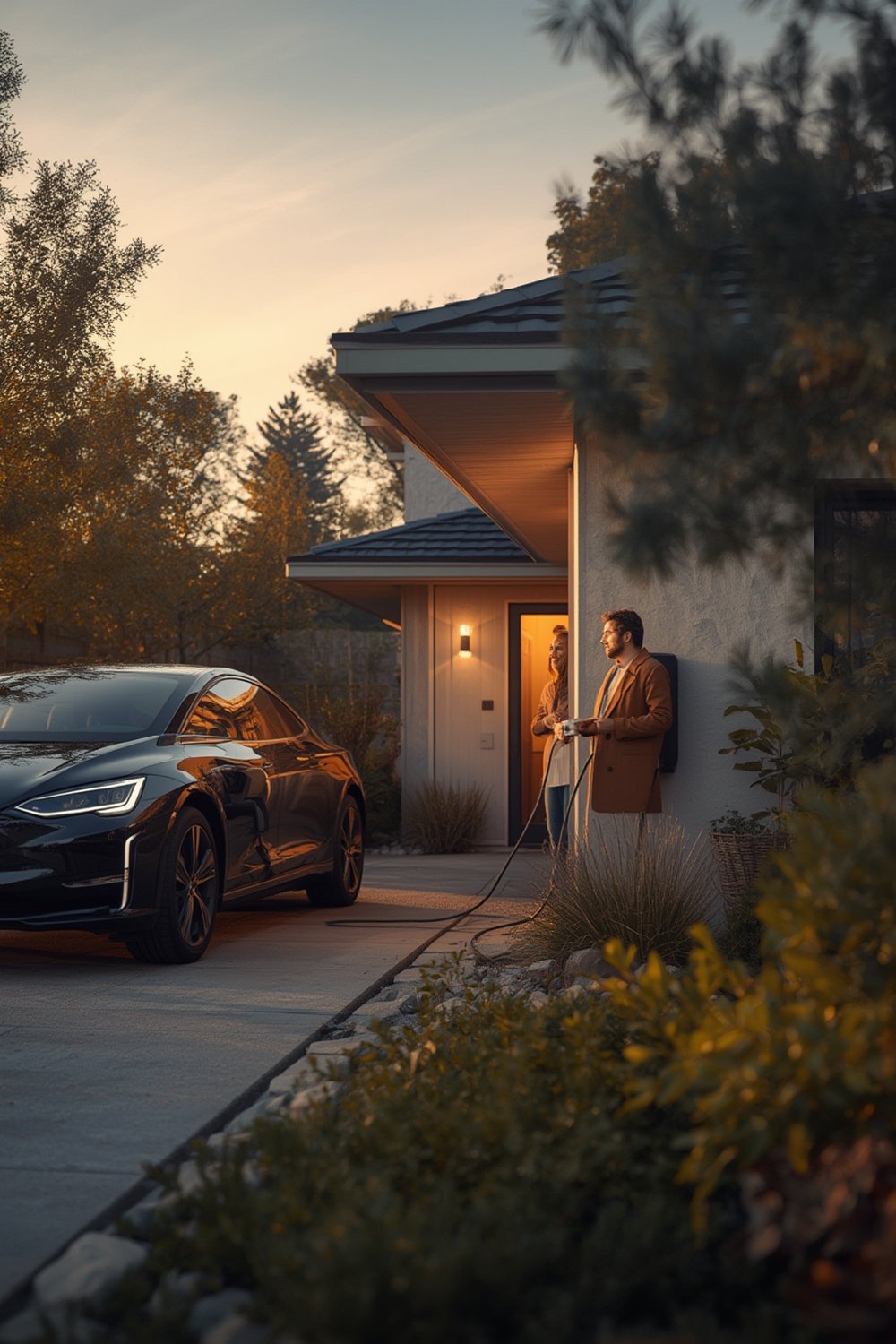
Level 2 chargers are the standard for most home installations in 2024. These require a dedicated 240V line (like a dryer outlet), and can recharge most EVs fully in 4-8 hours. Nationally, the average total cost—including a quality charging unit, professional installation, permit, and materials—is around $1,600, but this can swing from $800 for a straightforward setup to $3,200 or more for complex wiring, panel upgrades, or outdoor weatherproofing. See cost breakdown details.
The main reasons for installing at home are reliability, cost savings, and faster charging than public options. Plus, having a home EV charger can add value and appeal if you plan to rent or sell to future EV owners. If you’re considering other home efficiency upgrades like adding a heat pump water heater or soundproofing with acoustic wall panels, bundling projects can optimize your electrician’s visit and help future-proof your house’s electrical load.
How to Install an EV Charger at Home: Step-by-Step
Here’s a detailed, actionable roadmap for installing a Level 2 EV charger at home in 2024—whether you hire a pro or want to be an informed homeowner throughout the process.
- Evaluate Your Electrical Panel
Open your main electrical panel and check for available amp capacity—most modern home panels support Level 2 chargers, but anything below 150A may need an upgrade (expect $1,500-$4,000 for a new panel if required). For complex homes, especially those adding under sink pull out organizers or other electric gadgets, a load calculation by your electrician is crucial. - Choose the Right Charger
The main distinctions are power output (32A, 40A, 48A, or higher), hardwired vs plug-in, and smart features. For fastest charging and future swing, select 48A or above, ideally a hardwired install for outdoor or garage use (details here). Verified chargers include the Tesla Wall Connector or JuiceBox. Watch for compatibility with your car and smart energy monitoring options. - Secure Permits and Plan the Installation
Nearly all towns require an electrical permit—usually $50-$200. Submit a wiring plan with your charger’s specs and have a licensed electrician pull the permit. Skipping this can void insurance or cause headaches during resale. - Get the Electrical Work Done
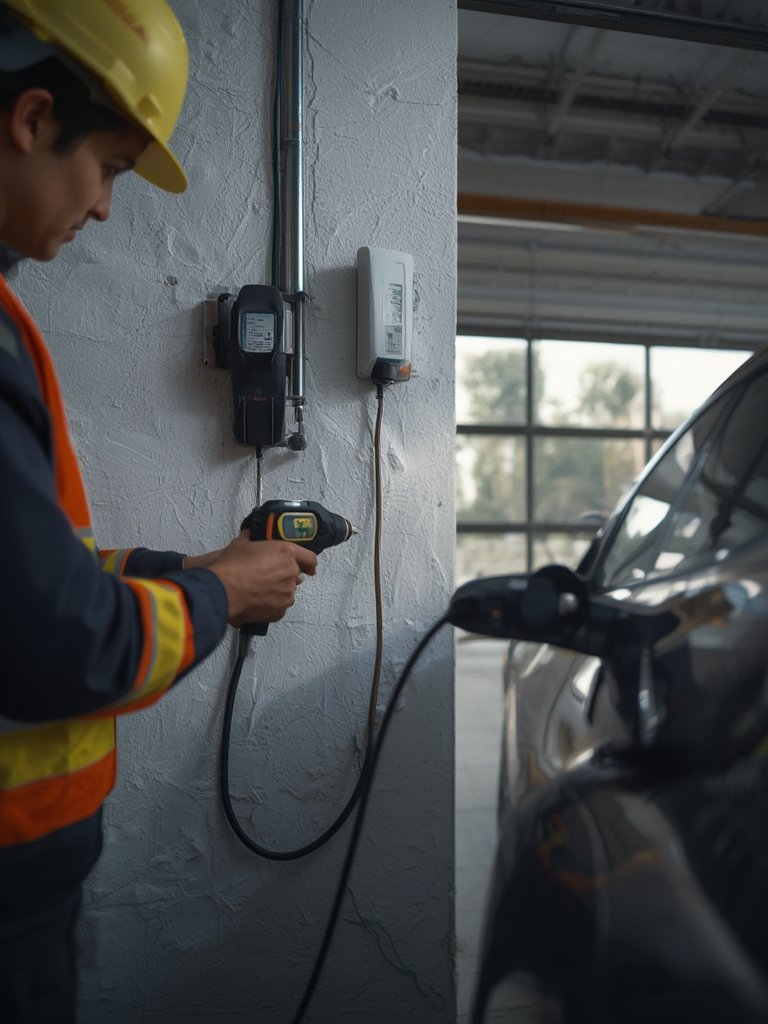
The electrician runs a dedicated 240V line from your panel to the install site, adds a GFCI breaker ($100-$200), then hardwires the charger or installs a 14-50 outlet. Outdoor setups often need conduit and sometimes a weatherproof box or concrete pad ($200-$500). Wiring runs over 75 feet add $5-$25 per foot—shorter and cleaner routes are much less expensive. - Complete Inspection
The city or county inspector checks your installation against code. Once approved, you can plug in and charge at full speed. - Claim Incentives
Keep all receipts (charger, electrical, permit). File IRS Form 8911 with your federal taxes for a 30% credit up to $1,000 (federal incentive info). Utility or local rebates vary—research them post-install.
Pairing your project with another home upgrade—like new peel and stick backsplash tiles for your kitchen—can streamline scheduling if you’re already bringing in tradespeople.
Advanced Analysis & Common Pitfalls
Installing an EV charger at home isn’t always simple. Being aware of real-world challenges avoids expensive surprises. Here’s what most guides gloss over:
| Aspect | Potential Problem | Cost/Time Impact | What Pros Do Differently |
|---|---|---|---|
| Electrical Panel Capacity | Old or small panel can’t handle extra amps | Upgrade: $1,500-$4,000; adds several weeks | Panel+subpanel combo for futureproofing; run load calc for all appliances |
| Site Routing | Long or complicated conduit/trenching | $10-$25 per foot; messy driveway cuts | Smart charger placement for minimal run; surface-mount if code allows |
| Permitting | Delays; missing or failed inspection | 1-2 weeks’ delay; job redo risk | File early and follow up; get drawings from manufacturer |
| Quote Discrepancy | Bids vary dramatically | Homeowners may overpay by 40%+ | Share other quotes when negotiating; request detailed line items |
| Outdoor Install | Exposure to weather | Concrete pad ($200-$500); NEMA 4-rated box | Opt for hardwired with weather-sealed enclosure |
| Future-Proofing | Multiple EVs or whole-home electrification | Under-specced install; costly redo | Install higher amp line and breaker; run oversized conduit |
Most homeowners feel blindsided by sudden panel upgrades, unexpected trenching, permit hiccups, or wildly different installer quotes. If you’re thinking of adding a home gym with garage gym flooring tiles, coordinate placement and wiring now.
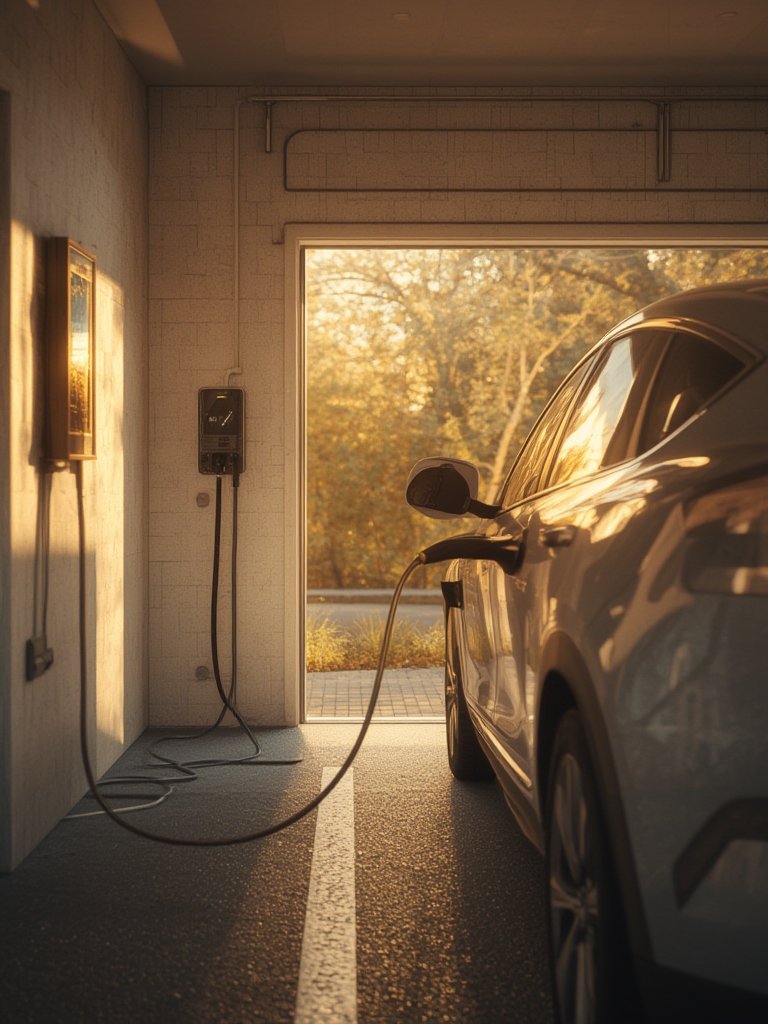
Another overlooked aspect is energy management—integrating home battery storage or planning electrical upgrades for future needs can save you thousands down the line (learn about load calculations). Also, remember most municipalities ban DIY hardwired installs—a licensed electrician is required by law for compliance and safety.
Conclusion
Installing an EV charger at home is achievable for most homeowners, but getting the best ROI depends on careful planning, realistic budgeting, and professional help. Expect to pay $1,600 on average but verify your electrical panel and gather multiple bids to avoid surprises. Don’t forget about the 30% federal tax credit—keep your paperwork organized. Whether it’s panel upgrades, smart routing, or future-proofing for more electric appliances, treating EV charger installation at home as a professional project pays back in savings, convenience, and property value.
Ready to electrify your garage? Start gathering quotes today and future-proof your home for the next decade of driving.
FAQ
How much does it cost to install a Level 2 EV charger at home in 2024?
Most homeowners pay about $1,600 for parts and professional installation. Costs rise if you need a new electrical panel ($1,500-$4,000) or long wiring runs. Basic installs can be as low as $800.
Can I install a home EV charger myself?
No, most local codes require a licensed electrician for Level 2 hardwired charger installations, including permits and inspections. DIY can void your home insurance or cause code violations.
How long does the installation and inspection take?
The on-site installation is usually done in 4-8 hours. However, permitting and inspection add 1-2 weeks in most regions, so plan for some lead time before you can actually charge your vehicle at home.
Are there federal or local incentives for installing a home EV charger?
Yes. There’s a 30% federal tax credit up to $1,000 in 2024, claimable with IRS Form 8911. Many utilities also offer rebates, but these vary by location and often require pre-approval.
What are the best features to look for when buying a home EV charger?
Look for at least 40-48A power output, hardwired installation for safety, compatibility with your EV, and smart features like energy monitoring. Premium models like the Tesla Wall Connector are worth considering for reliability.