

### Blog Post:
Heat pump water heater installation is one of the fastest-changing trends in efficient home upgrades, promising significant energy savings and a future-proof approach to hot water. But switching from your old system is not as simple as unplugging one and plugging in the other—there’s more to know before making the leap.
Key Takeaways
- Heat pump water heater installation is gaining momentum, with a projected 40% market share by 2030—driven by new efficiency standards and rising energy bills.
- Upfront costs remain high, but these systems use 2-5x less energy than traditional electric or gas heaters, and government incentives are making them more affordable.
- Installation can be challenging, especially for gas-to-electric conversions, but choosing the right unit and following best practices helps avoid common pitfalls.
- What Is Heat Pump Water Heater Installation & Why Now?
- Step-by-Step Heat Pump Water Heater Installation Guide
- Advanced Analysis & Common Pitfalls
- Conclusion
- Frequently Asked Questions
What Is Heat Pump Water Heater Installation & Why Now?
Heat pump water heaters (HPWHs) use electricity to move heat from surrounding air into water—rather than generating heat directly—making them dramatically more efficient than traditional electric resistance or gas-fired units. In the past year alone, electric water heater sales hit an all-time high, while HPWHs represented about 4% of all electric units sold in the US. This figure sounds modest, but the segment is growing by over 30% year-on-year, and major efficiency standards are set to convert the majority of new electric water heaters to heat pump technology by 2029. [source] [source]
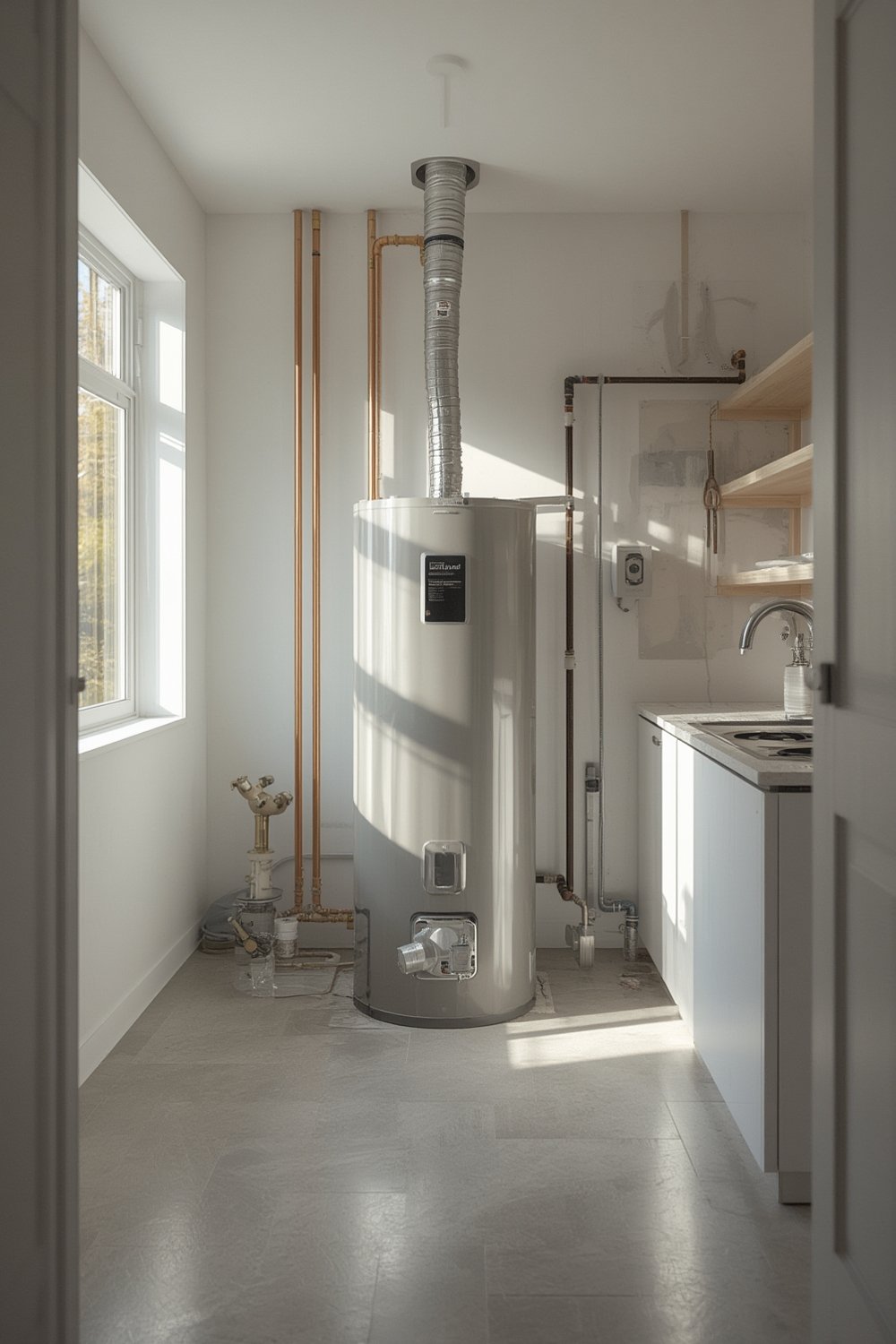
Adoption of HPWHs is being turbocharged by a combination of higher electric usage, robust rebate programs, and the recently introduced Department of Energy (DOE) standards. Gas water heaters—long the default in most US homes—are losing ground, with electric options now claiming more than half the total market for the first time in 70 years. [source]
If you’re planning a major refresh to your home’s comfort or want to explore more home improvement tips, understanding heat pump water heater installation is a modern must. These systems can offer serious savings but come with specific technical and practical considerations you should know before buying.
Step-by-Step Heat Pump Water Heater Installation Guide
Ready to install a heat pump water heater? Whether you’re upgrading from an aging electric tank, switching from gas, or integrating with your smart home setup, a successful install hinges on careful planning and methodical work. Here’s an actionable, realistic guide designed for US homeowners.
- Check Electrical and Physical Requirements
- Verify your existing electrical panel’s amperage. Most HPWHs require a dedicated 240V circuit (typically 15-30 amps).
- Ensure the floor supports the unit’s weight when filled (some units exceed 600 pounds fully loaded).
- Check room size. Proper airflow is critical—the larger the space, the more efficient your HPWH runs.
- Shut Off and Drain Your Old Heater
- Turn off the electrical circuit or gas supply, then open a hot water tap and connect a hose to the old tank’s drain valve. Drain completely.
- Disconnect water and electrical/gas lines with care. Take a photo of connections as reference.
- Position the New Heat Pump Water Heater
- Move the HPWH into place—keep at least 6″ of clearance on all sides for airflow.
- Ensure the condensate drain outlet is near a floor drain or suitable drainage point. Condensate pumps are available if gravity drain isn’t possible.
- Connect Plumbing and Electrical
- Use new flexible hoses for water inlet and outlet. Install a shutoff valve on the cold line.
- Wire the dedicated 240V circuit (if you’re unsure, hire a licensed electrician).
- Double-check all connections for leaks or loose wires.
- Start Up and Configure the Unit
- Fill the tank fully before switching it on—never power up a dry tank.
- Set desired water temperature (recommended: 120 degrees F). Many HPWHs offer “Efficient” or “Hybrid” modes—use these for best energy savings.
- Final Walkthrough: Test & Clean Up
- Check for leaks on all plumbing connections after system heats up fully.
- Test hot water in multiple fixtures. Make sure the unit isn’t making uncharacteristic noises (mild fan hum is normal).
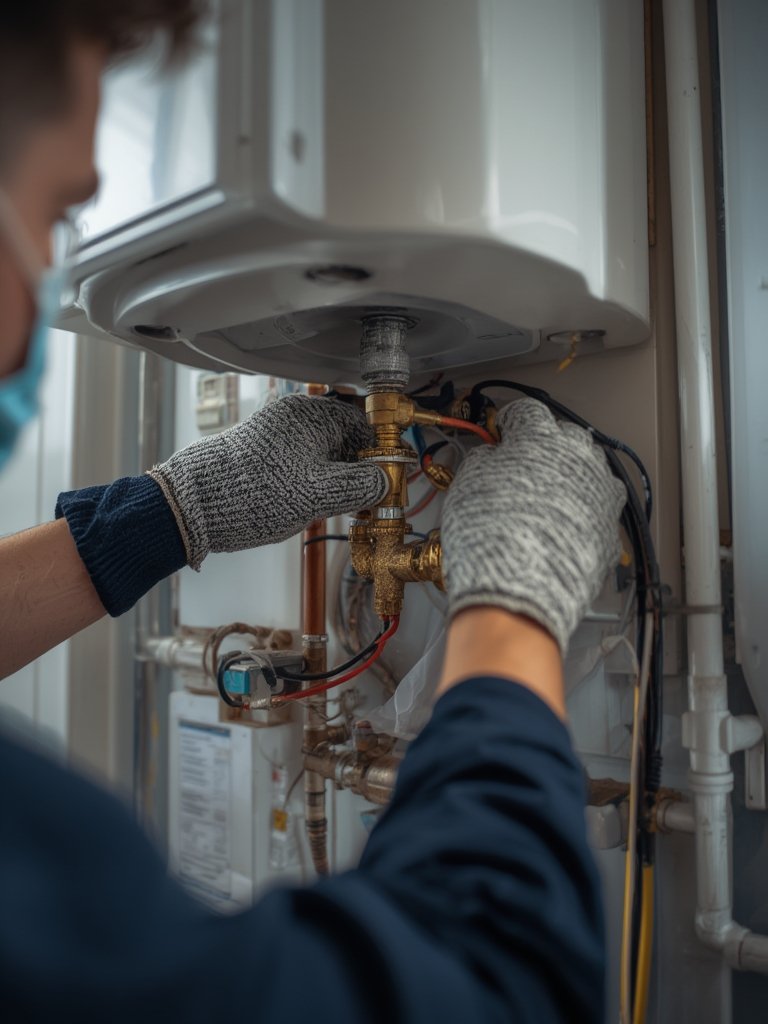
Keep in mind: gas-to-electric conversions are typically not DIY friendly unless you’re very comfortable with electrical work and local code requirements. For many, hiring a qualified professional is both safer and, thanks to rebates, often less costly in the long run.
If you enjoy learning about modern home technology upgrades, you might also like our guide to DIY home ideas that can supplement your efficiency goals.
Advanced Analysis & Common Pitfalls
Despite their promise, HPWHs bring unique challenges. Let’s break down the most important pain points, realistic risks, and how different heater options stack up.
| Factor | Heat Pump Water Heater | Traditional Electric | Gas Water Heater |
|---|---|---|---|
| Energy Efficiency | 2-5x better | Low | Moderate |
| Upfront Cost | High | Low | Low to Moderate |
| Operating Cost | Low | High | Moderate |
| Climate Limitations | Needs >40°F for best performance | Works in all climates | Works in all climates |
| Noise | Fan hum noticeable in small rooms | Silent | Silent |
| Space Needs | Requires large room/air volume | Compact | Compact |
| Smart Integration | Many models have smart controls | Rare | Rare |
Biggest Pitfalls & Real-World Issues
- High Upfront Cost: HPWHs often cost $1500-$3000 installed—substantially higher than standard tanks, although federal rebates and utility incentives can reduce this significantly.[source]
- Installation Barriers: Many homes lack dedicated 240V circuits or suitable spacing, especially when replacing gas heaters.
- Cold Climate Performance: HPWHs have improved, but efficiency drops in unheated, below-40°F spaces, potentially requiring hybrid or backup modes.[source]
- Maintenance Needs: Basic maintenance includes cleaning air filters and checking the condensate drain—tasks most owners skip leading to performance drops.
- Noise & Air Movement: In compact homes, the fan noise and cooler exhaust air can be annoying. Ducting or thoughtful placement helps.
Looking for more practical upgrade advice? See our popular posts on modern home design and smart DIY solutions.
ENERGY STAR certified models enjoy additional incentives, stricter warranties, and plug-and-play smart home features in many cases, but exact details vary by region and brand. Always read the fine print.
Pro tip: If you’re in a colder climate or have a complex setup, consult a qualified professional before buying—and review cold weather performance specifications. You’ll save more long term by getting it right the first time.
Conclusion
Heat pump water heater installation is quickly becoming the new standard as homeowners look for smarter, more reliable ways to reduce energy bills and future-proof their homes. While up-front costs remain higher than traditional units, the dramatic savings in ongoing energy use and the rapid pace of policy and technological change make HPWHs a compelling investment for many. Make sure you have the right space, power, and professional support to ensure your installation is smooth—and take time to review available incentives for added savings. Ready to experience the benefits of heat pump water heater installation in your own home? Start planning today for a more efficient future.
For more upgrade inspiration, don’t miss our latest piece on easy home improvement ideas or check out how renters are saving big with peel and stick backsplash tiles.
Frequently Asked Questions
How much space do I really need for a heat pump water heater installation?
Most models require about 700-1000 cubic feet of air space to operate efficiently. Small closets or cramped basements aren’t ideal; use ducting if space is limited.
Do heat pump water heaters work in cold climates?
Modern HPWHs feature improved cold-weather modes, but if the air around them drops below 40°F for long periods, efficiency drops sharply. Look for hybrid units or install in conditioned spaces if you live in a cold region.
What incentives are available for installing a heat pump water heater?
Federal and many state governments, along with utilities, offer rebates for ENERGY STAR HPWHs—sometimes covering a major portion of the cost. Check local programs before purchase.
Is installation DIY friendly?
If you’re replacing a similar electric unit and have basic plumbing and electrical skills, it’s doable. For gas-to-electric conversions or new circuits, hire a licensed pro for safety and code compliance.
How often does an HPWH need maintenance?
Basic maintenance involves cleaning or replacing air filters every 3-6 months and keeping the condensate drain clear. It’s simple but easily overlooked; set a reminder on your phone or calendar.