

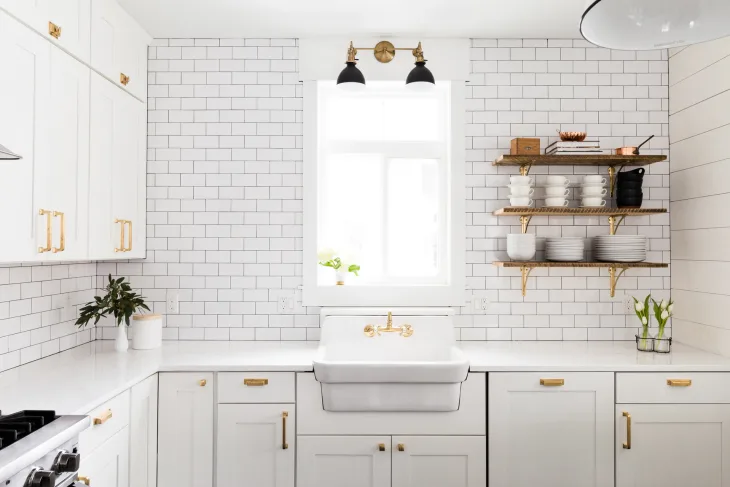
peel and stick backsplash tiles are transforming kitchen and bathroom upgrades with easy, mess-free installation and stylish design options. If you want to refresh your space without the hassle of grout or expensive labor, these DIY-friendly tiles offer a smart solution.
Key Takeaways
- Peel and stick backsplash tiles are a fast-growing, cost-effective DIY alternative to traditional tile installation, with projected global market value rising to USD 2.5 billion by 2032.
- While these tiles are easy for renters and homeowners to apply, there are pitfalls to watch for, including durability and surface compatibility challenges.
- Creativity with modern patterns, eco-friendly materials, and renter-friendly removability sets peel and stick tiles apart in 2024 home design trends.
- What Are Peel and Stick Backsplash Tiles and Why Use Them?
- Step-by-Step Guide to Installing Peel and Stick Backsplash Tiles
- Advanced Analysis & Common Pitfalls
- Conclusion
- FAQ
What Are Peel and Stick Backsplash Tiles and Why Use Them?
Peel and stick backsplash tiles are self-adhesive tile sheets designed for quick, mess-free upgrades to kitchens, bathrooms, and laundry rooms. Unlike traditional wall tiles that require mortar, grout, and specialized tools, peel and stick tiles come with a pre-applied adhesive backing. Just peel away the liner and stick them onto any clean, smooth surface.
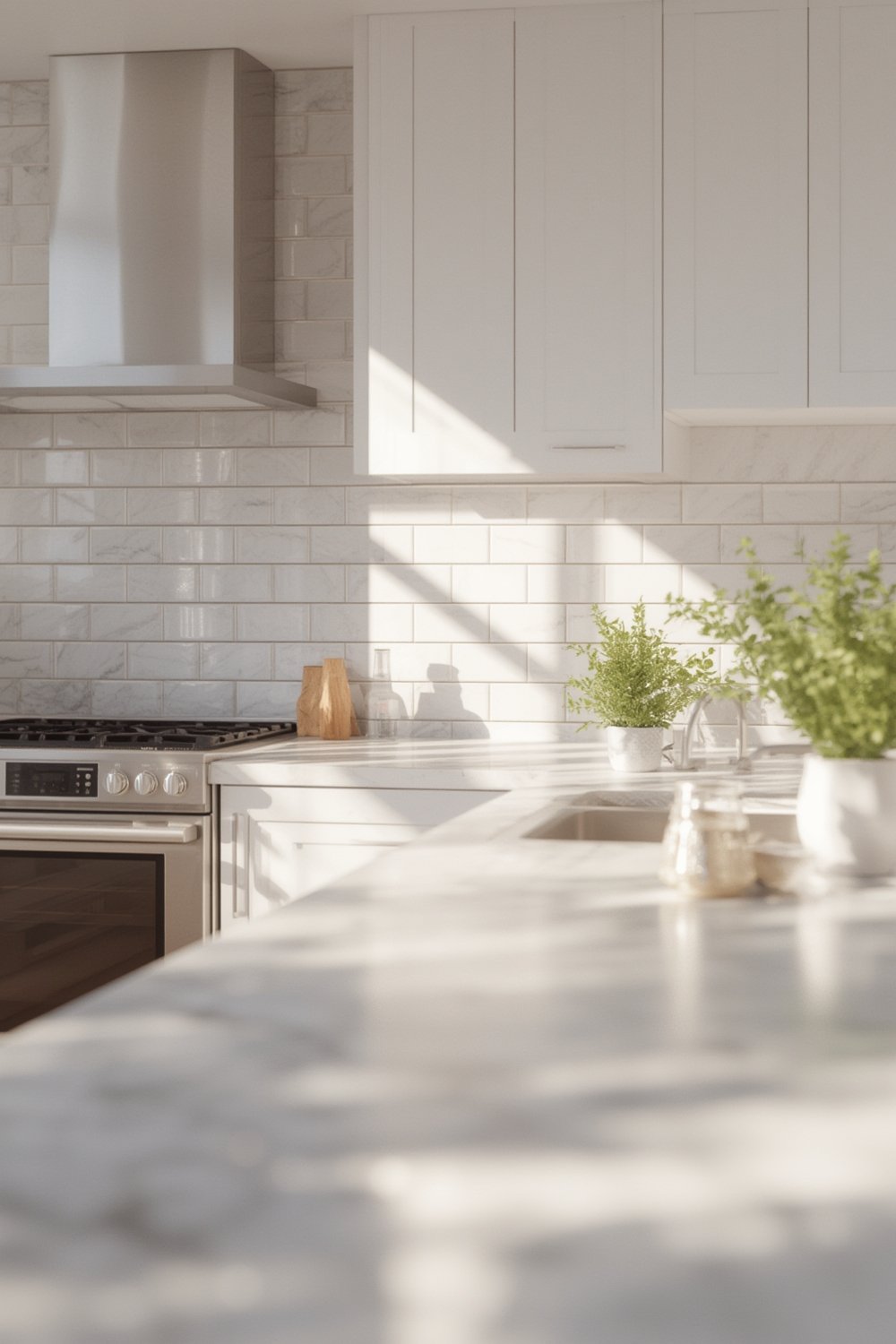
The popularity of peel and stick backsplash tiles has surged as homeowners, renters, and DIYers seek stylish, affordable, and temporary décor upgrades. The market, valued at USD 1.2 billion in 2023, is forecast to reach USD 2.5 billion by 2032, growing at a compound annual growth rate (CAGR) of up to 8.5% (source). Growth is fueled by increased interest in home improvement, especially among renters, and the ability to buy these products easily online.
You can find peel and stick tiles in faux subway tile, marble, metallic, geometric, and even natural stone looks. Their slim profile means less bulk, and some can be cut with scissors or a utility knife for precise placement.
For more creative project inspiration, check out our post on home improvement tips designed for modern spaces.
Step-by-Step Guide to Installing Peel and Stick Backsplash Tiles
Installing peel and stick backsplash tiles doesn’t require prior tiling experience. Follow these steps for a long-lasting, professional-looking result.
1. Gather Materials
- Box of peel and stick backsplash tiles (calculate with a 10% overage for mistakes)
- Measuring tape and pencil
- Scissors or utility knife
- Level or laser level
- Cleaning supplies (degreaser, sponge, lint-free cloth)
- Optional: rubber roller for extra adhesion
2. Clean and Prep the Surface
Remove any outlet covers. Clean the surface to remove grease, dust, or soap residue—tiles won’t adhere to dirty or wet surfaces. Let the area dry completely.
3. Plan Your Layout
Use a level to mark a straight starting line. Dry-fit tiles from the center or a visible edge—avoid tiny slivers at corners. Mark tricky cuts with a pencil.
4. Cut and Trim Tiles
Trim the first row or any awkward edges using scissors or a utility knife. For outlet cutouts, trace the box on the tile’s backing, then cut before peeling.
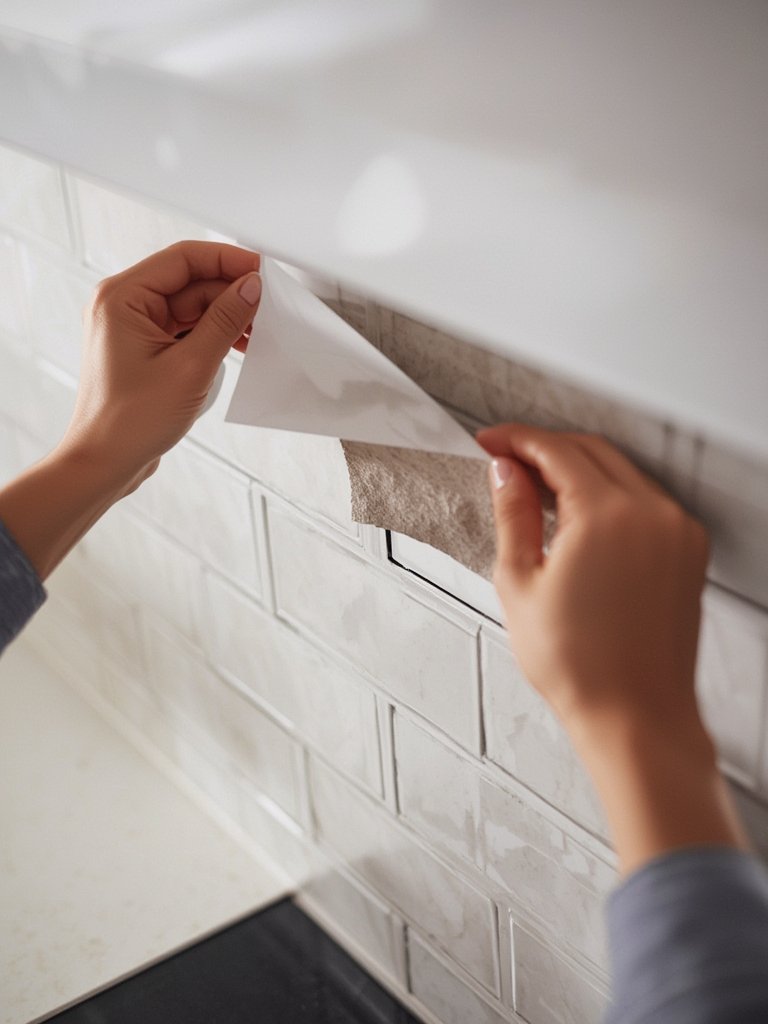
5. Apply Tiles One by One
Peel back a few inches of the protective liner and gently stick the tile onto the wall, pressing from the center outward to remove air bubbles. Line up edges closely for a seamless look.
6. Press Firmly with a Roller
After installing each tile, use a rubber roller or your hand to smooth out bubbles and ensure secure adhesion—especially along edges and corners.
7. Reinstall Outlet Covers and Caulk Edges (Optional)
Replace any outlet covers. For a polished, water-resistant finish, apply a thin bead of clear caulk edges or behind the sink.
Want more clever DIY tips? Explore our guide on modern home design for step-by-step solutions.
Advanced Analysis & Common Pitfalls
While peel and stick backsplash tiles are marketed as easy and nearly foolproof, real-life results can vary. Let’s break down the biggest issues and how they compare to traditional tiles.
| Feature | Peel and Stick Backsplash Tiles | Traditional Backsplash Tiles |
|---|---|---|
| Water Resistance | Generally water-resistant, but some seams may allow moisture over time. Less suitable for direct water exposure unless extra sealing is applied. | Fully waterproof when properly grouted and sealed. Better for behind sinks or stoves. |
| Durability (1-3 Years) | Varies by brand. Cheaper tiles may curl, yellow, or peel within 2 years, especially in humidity or near heat. | Most last a decade or longer; repairs are usually isolated to cracked tiles or grout. |
| Removal/Changes (for renters) | Designed for easy removal, but some strong adhesives can peel paint or drywall. Heat guns/hairdryers help soften glue for cleaner removal. | Permanent; replacement/repair is invasive and labor-intensive. |
| Tools Required | Just scissors, utility knife, and a level. | Tile saw, mortar, grout float, spacers, and more. |
Common Pitfalls with Peel and Stick Backsplash Tiles
- Poor Adhesion: Tiles may not stick on rough, oily, or textured surfaces. Clean thoroughly and avoid installing over glossy paint, or add primer for a better bond.
- Heat & Steam Vulnerability: Prolonged exposure to stove heat or direct steam can lead to curling or glue melting.
- Color Fade & Yellowing: Inexpensive tiles can yellow over time, especially with UV exposure.
- Residue after Removal: Some adhesives can leave sticky residue or pull drywall/paint, requiring extra repair work.
- Seams and Pattern Alignment: Misalignment stands out, especially with busy patterns. Double-check alignment as you go.
As with any plastic or vinyl-based product, check for eco certifications. Many 2024 collections tout non-toxic, recycled, or eco-friendly material statements (source), though specifics vary by brand.
Looking for more tips to avoid common DIY mistakes? Our home decor guide covers creative planning strategies and troubleshooting tips.
Conclusion
Peel and stick backsplash tiles make kitchen and bath makeovers realistic and affordable for both renters and homeowners. Installation is fast and low-mess, but success depends on prep work and realistic expectations about durability in moisture or heat. Want to refresh your space easily? Choose quality peel and stick backsplash tiles and follow the steps above.
Next, unleash your creativity and look for modern trends—try geometric layouts, bold colors, or eco-friendly options. Start exploring more DIY home ideas and give your space a personalized twist.
Ready to transform your kitchen or bathroom? Shop quality peel and stick backsplash tiles and share your success stories or challenges in the comments!
FAQ
How long does it take to install peel and stick backsplash tiles in a standard kitchen?
Most DIYers complete installation in a standard backsplash area (about 20 square feet) within 2-4 hours, depending on corners and outlets.
Can peel and stick tiles be used behind a stove or sink?
Many brands are water and heat-resistant, but avoid direct flame or boiling water exposure. Caulk edges behind sinks and choose heat-rated tiles behind stoves.
Will peel and stick tiles damage my walls when removed?
Generally, tiles are removable. However, aggressive adhesives can pull off paint or drywall, especially on older or unprimed surfaces. Using a hairdryer to soften glue will help reduce damage.
Are there any safety or material certifications to look for?
While there are no universal certifications, look for tiles labeled non-toxic, VOC-free, or made from recycled materials. Ask suppliers for safety documentation if needed.
What’s trending in peel and stick backsplash tiles for 2024?
Geometric designs, mixed metallics, and eco-friendly/recycled materials are trending. Many brands now market tiles for easy removal geared to renters and frequent refurbishers.