

### Blog Post:
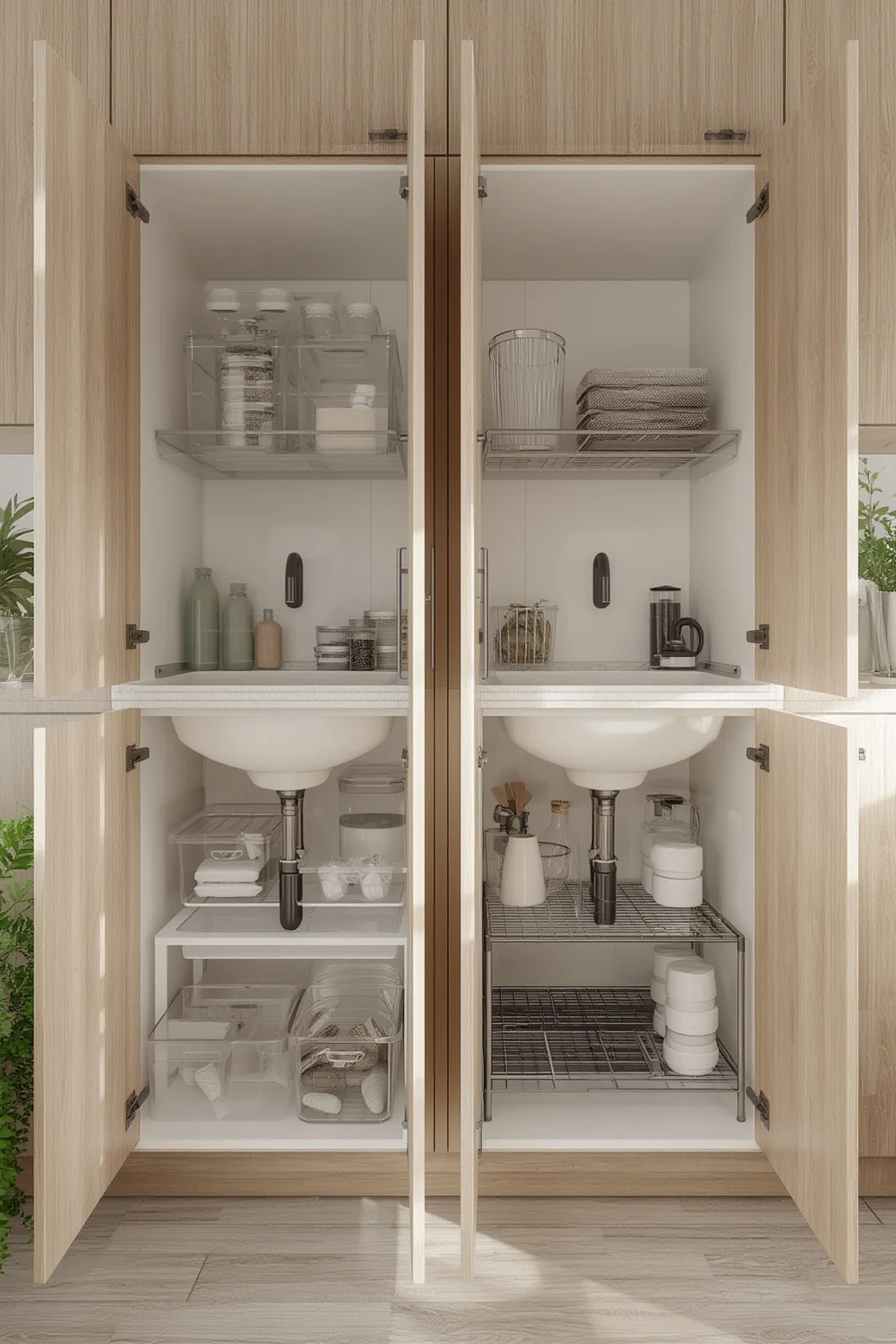
Under sink pull out organizer solutions have become a must-have for anyone looking to optimize space in cramped kitchens or bathrooms. As homes get smaller and our storage needs grow, installing the right organizer under your sink can be one of the most effective (and surprisingly easy) upgrades you make this year.
Key Takeaways
- The under sink pull out organizer market is booming, fueled by urban living and home improvement trends.
- Avoid common pitfalls by planning for plumbing and existing cabinet dimensions before purchasing or installing.
- Simple DIY installation is possible for most products—choose adjustable or modular designs for the best fit.
- What Is an Under Sink Pull Out Organizer, and Why Should You Use One?
- How to Install and Make the Most Out of an Under Sink Pull Out Organizer
- Advanced Tips, Pitfalls, and a Realistic Look at Under Sink Organizer Solutions
- Conclusion
- FAQ
What Is an Under Sink Pull Out Organizer, and Why Should You Use One?
An under sink pull out organizer is a sliding tray or rack system designed specifically to make the most of the space beneath your sink. Instead of reaching into the dark recesses of a cabinet, you simply pull out the tray to access cleaning supplies, toiletries, or other essentials without bumping into pipes or fumbling for items at the very back.
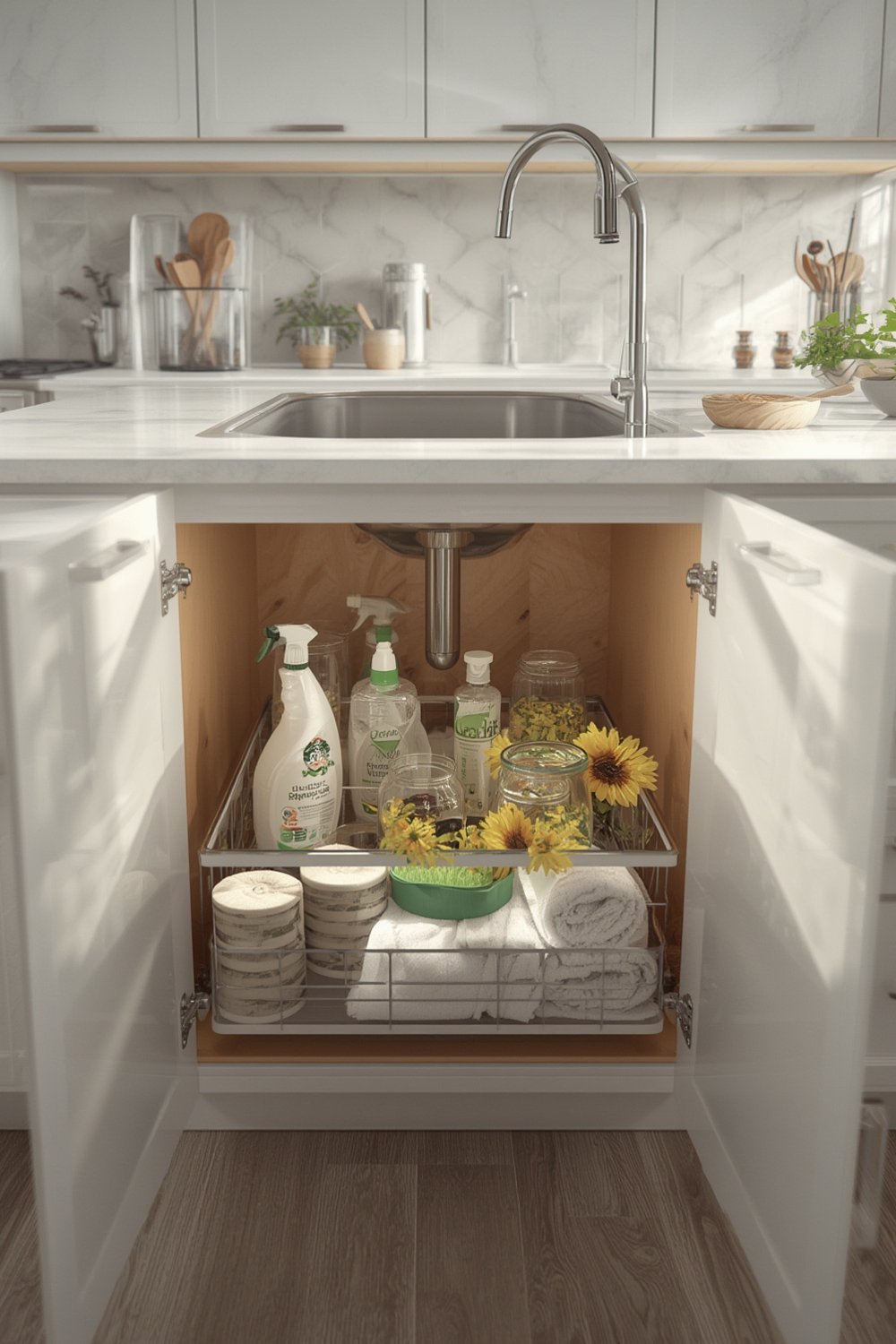
The global market for under sink organizer solutions reached USD 2.12 billion in 2024, with North America holding the largest share, according to industry research. This growth is driven by the need for space management—especially in urban apartments and houses where every square inch matters.
Pull-out trays are especially popular in kitchens and bathrooms for their practicality. They are available in several types—fixed, adjustable, stackable, and even tiered—using materials such as metal, plastic, and wood. Most people choose metal racks for durability in wet environments, while plastic trays can be more affordable and easier to clean.
If you’re investing in other home improvements like DIY peel and stick backsplash installation or heat pump water heater installation, an under sink pull out organizer can quickly maximize utility in your existing cabinets with minimal cost and effort.
How to Install and Make the Most Out of an Under Sink Pull Out Organizer
Upgrading your under sink area is a straightforward DIY project with the right tools and a plan tailored to your cabinet’s dimensions. Here’s a practical step-by-step guide.
-
Clear Out the Cabinet:
Remove all items from under the sink. Check for spills, leaks, or moisture—this is a great time to clean before installing your new organizer. -
Take Careful Measurements:
Measure cabinet width, depth, and height. Most pull out organizers require about an inch clearance on each side. Pay close attention to the placement of pipes and the garbage disposal. -
Choose the Right Organizer:
Opt for metal if you prioritize durability and weight, or go for plastic if you want light and easy cleaning. Look for organizers with adjustable rails or removable baskets to accommodate pipes.
Tip: Stackable or modular styles work best in tall under sink spaces. Freestanding options are ideal for renters, as they require no drilling. -
Dry Fit Before Installing:
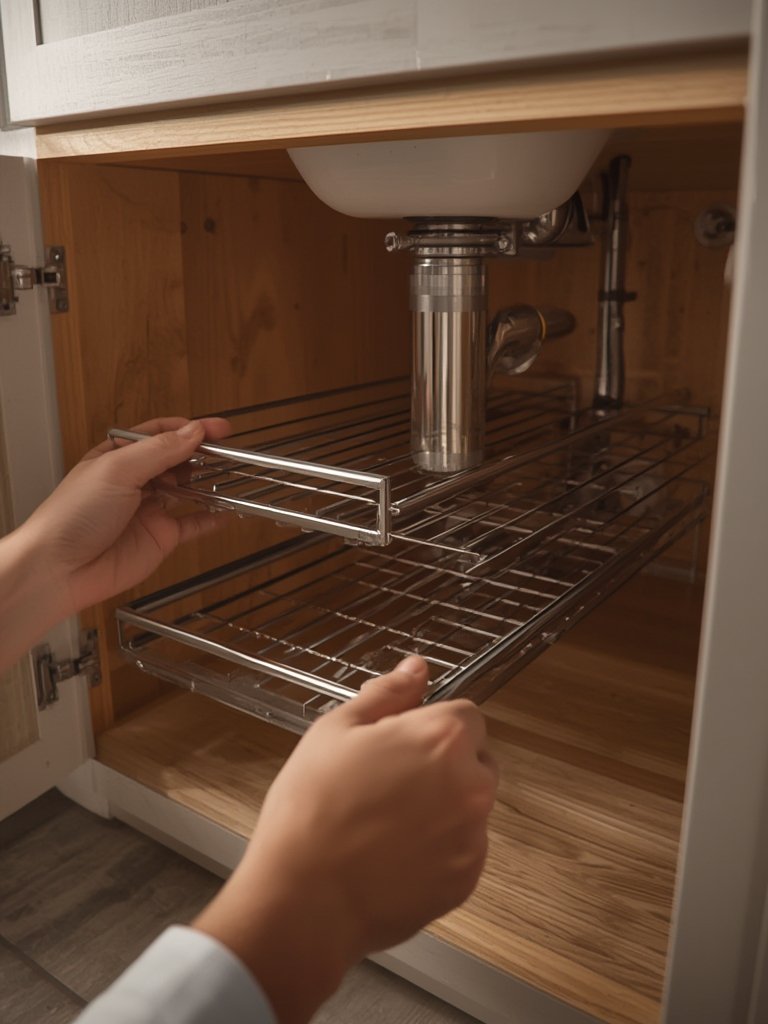
Assemble the organizer components and ensure it slides fully in and out with your cabinet closed. Adjust positioning as needed. -
Mark and Drill:
Use a pencil to mark mounting holes on the cabinet base. Pre-drill pilot holes to avoid splitting the wood, then attach the rails securely. -
Install the Organizer:
Slide the tray or rack into place following manufacturer instructions. Test the sliding action. Adjust if needed. -
Organize Your Items:
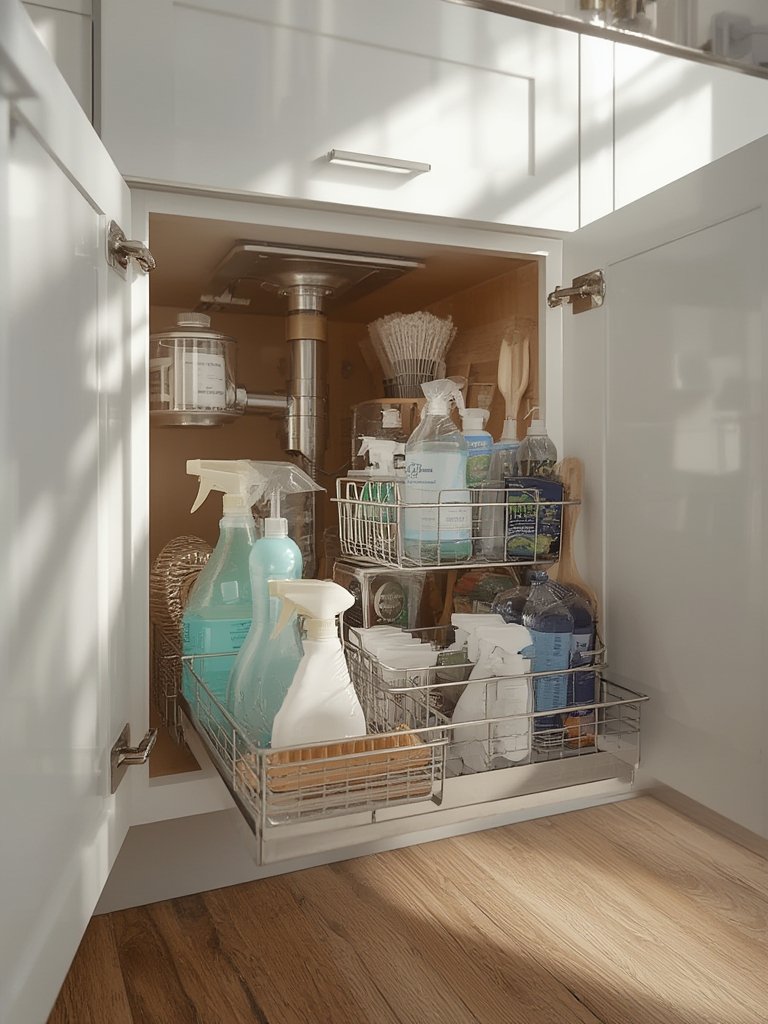
Place tall cleaning bottles at the back, smaller items in the front, and use baskets for grouping similar supplies. If you’re adapting for a bathroom, set a tray for hair tools or toiletries.
When troubleshooting space, don’t forget that even small organizers offer big improvements compared to traditional baskets or bins. If you’re tackling a full kitchen upgrade, pair your organizer with interlocking gym floor tiles garage for your adjacent mudroom or modern acoustic panels living room for a cohesive, organized home.
For best longevity, periodically wipe down rails and trays to prevent sticking or mold. And for renters, stick to friction-fit models or contact your landlord before drilling.
Advanced Tips, Pitfalls, and a Realistic Look at Under Sink Organizer Solutions
While the market for under sink pull out organizers is surging (USD 2.14 billion in 2024 for pull-out trays alone), many buyers are disappointed by poor fit or overlooked compatibility issues. Here are the most common (and realistic) pitfalls, based on current industry overviews:
| Issue | Potential Solution | Reality Check |
|---|---|---|
| Plumbing Compatibility | Choose units with cutouts or customizable layouts to avoid pipes. | Most off-the-shelf organizers fit standard plumbing, but unusual layouts still require custom work. |
| Cabinet Depth | Select shallow trays if depth is limited, or look for compact products. | Deep cabinets accommodate 2-tier units but measure carefully; return policies vary. |
| Durability in Wet Environments | Purchase rust-resistant metal or BPA-free plastic trays. | Plastic models are less prone to rust but may warp near heat/humidity. |
| DIY Installation Challenges | Use detailed instructions, pre-drill holes, and get help for tricky angles. | Not all kits have clear instructions. Cheap rails may wobble without secure mounting. |
| Maximizing Tiny Spaces | Pick organizers with adjustable, stackable, or modular trays. | Some small kitchens still require custom or professional solutions. Freestanding units work for renters. |
A special note: Market reports indicate rapid growth in online purchases—but buyers often overlook professional reviews that address these real-world issues, especially in compact kitchens. No widely recognized model or brand outshines others for bathrooms at this time based on current research.
If you’re unsure about installation or fit, visit a local home store to see organizers in person, or ask for return-friendly online shopping options. This extra step often makes the difference between a satisfying DIY and a regret purchase.
Conclusion
An under sink pull out organizer can completely transform a cluttered kitchen or bathroom cabinet into a streamlined storage solution. By carefully measuring your space, accounting for plumbing, and selecting the right style (adjustable, stackable, or freestanding), you can get more function out of even the smallest area—often with an easy weekend project.
The under sink pull out organizer market is thriving because real people want smarter, more accessible homes. Whether you’re renovating, tackling a simple DIY, or just desperate for a little less chaos under your sink—don’t wait. Measure, shop smart, and enjoy a cleaner, happier space.
Ready to get started? Browse top-rated options or visit your nearest home store today for a hands-on look at what a pull out organizer can do for you.
FAQ
How do I measure for an under sink pull out organizer?
Measure the width, depth, and height of your cabinet’s interior, plus clearances around plumbing and the cabinet’s door opening. Remember to account for P-traps, water filter housings, and garbage disposals.
Can I install an under sink pull out organizer myself?
Yes, most organizers are DIY-friendly. You’ll need a drill, screwdriver, measuring tape, and sometimes a level. For freestanding types, no installation is needed.
Are pull out organizers suitable for rental homes or apartments?
Freestanding pull out organizers are great for renters—no drilling required. For fixed organizers, check with your landlord first before modifying cabinet interiors.
Which materials are best for damp under sink areas?
Rust-resistant metal (like stainless steel) is most durable. High-quality plastic works well if you avoid heavy or hot objects. Wood is not recommended for wet spaces.
How do I maximize space if my kitchen is especially small?
Use a narrow, double-tier organizer or combine a small pull out tray with baskets for vertical storage. Modular or stackable systems adapt best to tricky corners and compact sinks.
—