

Acoustic wall panels decorative are not just about quieting a space—they turn ordinary rooms into stylish, noise-controlled zones, especially important for home offices and living rooms where distractions and echoes ruin focus or relaxation.
Key Takeaways
- decorative panels improve home aesthetics and offer good sound absorption, but may underperform against traditional dense materials for low-frequency noise.
- Proper thickness and placement are key for measurable results; choosing the wrong panel can lead to wasted money and persistent noise issues.
- DIY acoustic improvements are possible but knowing the limits of materials and installation requirements prevents frustration and disappointment.
- What Are Decorative Acoustic Wall Panels—And Why Are They Used?
- How to Install Decorative Acoustic Wall Panels: A Step-by-Step Approach
- Advanced Analysis & Common Pitfalls
- Conclusion
- FAQ
What Are Decorative Acoustic Wall Panels—And Why Are They Used?
Decorative acoustic wall panels blend sound absorption with modern design, targeting both performance and aesthetics. In 2024, most options for home use are PET-based (recycled plastic), offering lightweight panels as thin as 7mm that attach easily to walls or ceilings.
These panels dampen echoes, control reverberation, and make rooms more peaceful and visually appealing. While premium materials like fiberglass or mineral wool still outperform PET for heavy-duty soundproofing (especially blocking low-frequency noise), PET panels dominate home applications due to their sustainability, selection of styles, and straightforward installation. As more people work or relax at home, demand for decorative solutions that don’t look “industrial” is exploding—especially in urban apartments where noise control is critical.
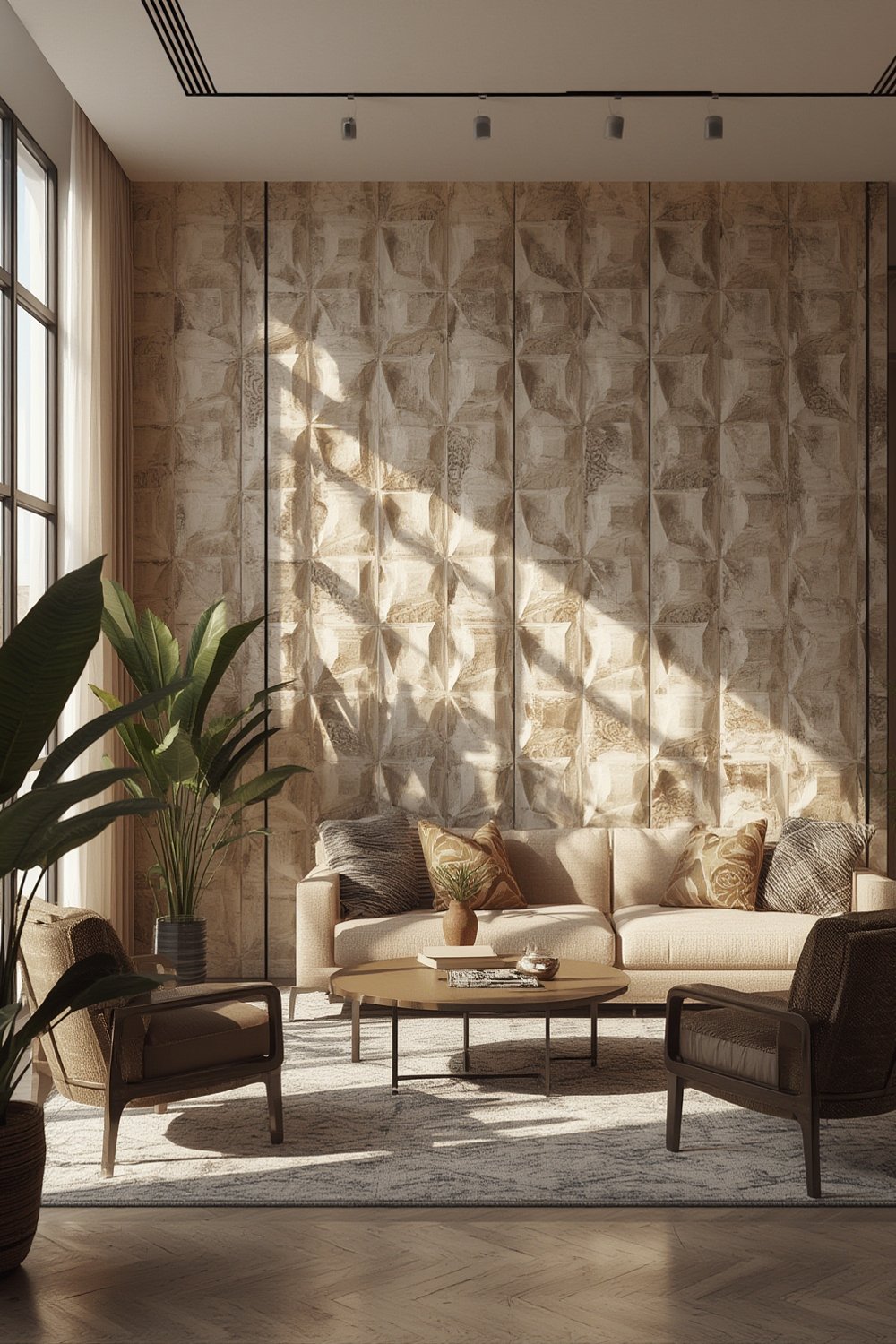
Unlike basic fabric wraps, modern panels often feature geometric patterns, wood slats, or bright colors. This makes it possible to create an effective, on-trend backdrop for video calls, listening rooms, or just a quieter living space that feels personal and not clinical.
If you’re comparing options, remember: PET is easy for DIY installs but is not a cure-all for heavy noise problems. Choose panels rated for at least 0.7 NRC (Noise Reduction Coefficient) and pay attention to thickness for better coverage.
For other quick and stylish home upgrades, explore DIY peel and stick backsplash installation or heat pump water heater benefits for comfort, savings, and efficiency improvements throughout your home.
How to Install Decorative Acoustic Wall Panels: A Step-by-Step Approach
- Plan Your Sound Zones
Identify the main source of noise or echo. Focus on wall space directly facing sound—behind desks, conversation zones, or above entertainment systems. For home offices, place panels behind and in front of your main working position. In living rooms, treat walls that reflect TV, speakers, or conversation back into the room. - Choose the Right Panel
Pick panels with at least a 0.7 NRC and thickness of 7-10mm for homes. Match the design to your room’s decor. For optimal absorption, mix panel shapes and lay them out with minimal gaps. If you’re new to this, PET panels are the most forgiving for home use. Check if the manufacturer supplies adhesive strips, mounting clips, or recommends screws. - Gather Tools and Materials
Level, tape measure, pencil, adhesive recommended by manufacturer (double-sided tape, construction adhesive, or screws if needed), and cleaning supplies for wall prep. With PET panels weighing less than mineral wool, wall anchors are rarely needed. - Mark Panel Placement
Use a level to draw light pencil lines for the arrangement. Plan the full layout before removing any adhesive covers. Layout patterns or geometric designs mock up especially well using painter’s tape first. - Prepare the Surface
Clean wall areas so adhesive bonds strongly. Avoid mounting over textured surfaces or loose paint that could reduce sticking power and cause later failures. - Mount the Panels
- Adhesive Method: Attach panels using double-sided tape or the provided adhesive. Firmly press for each panel, then check alignment before moving to the next.
- Mechanical Fastener Method: For heavy or 3D feature panels, use screws or supplied mounting clips. Always check for utilities behind walls before drilling.
- Check and Adjust
Once all panels are up, inspect for gaps and alignment. Gaps reduce absorption and may make the design look patchy. Adjust as needed while adhesive is still forgiving. - Final Review
Test your space—clap, talk, and play a video to check echo and enjoy the new aesthetics. Document your layout for future panels or adding upgrades like garage gym flooring tiles or other functional decor improvements.
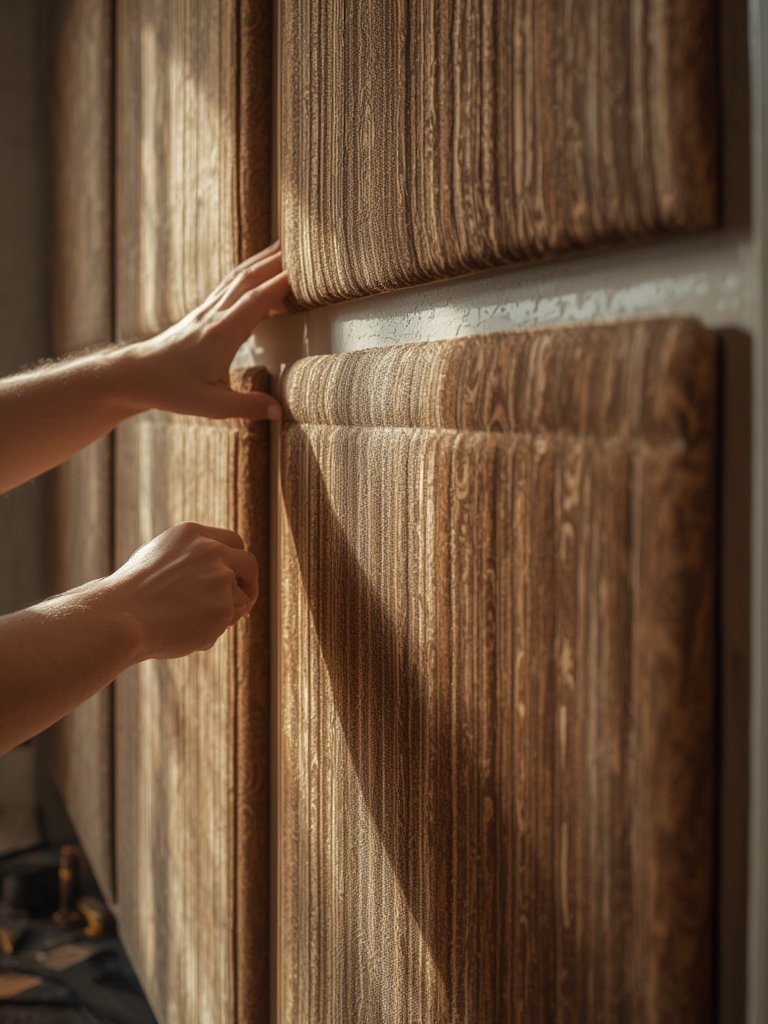
For renters: most PET decorative panels are removable and don’t damage painted walls, making them as renter-friendly as removable backsplash tiles. Always check product instructions if you plan to move out soon.
If you want to limit future maintenance, choose panels made from recycled PET, which resist warping and fading over time, or upgraded fabric-wrap panels for ultra-luxury home theaters. You can also explore waterproof options like peel and stick tile kitchen waterproof for adjacent spaces needing durable surfaces.
Advanced Analysis & Common Pitfalls
Even with the newest decorative acoustic wall panels, covering a wall does not guarantee silence. Here’s what to realistically expect and what to avoid:
Common Mistakes and Overlooked Factors
- Choosing Panels Too Thin: Sub-7mm decorative panels look elegant but may absorb little low-frequency noise (like deep voices, bass music, or HVAC rumbles). For home offices near busy streets, opt for 7-10mm or combine panels with other treatments.
- Poor Placement: Scattering panels artfully feels intuitive, but echo isn’t just about aesthetics—untreated corners, ceilings, and the wall opposite the sound source matter most for actual results.
- Ignoring NRC Rating: Some attractive panels barely absorb any sound. Always inspect third-party test data or ask for NRC documentation (0.7+ is a good baseline).
- Expecting Full “Soundproofing”: Decorative acoustic wall panels reduce echoes and control mid-high frequency noise. Heavy-duty sound isolation—blocking street noise, for instance—requires much denser products and more structural solutions.
- Not Sealing Gaps: Even small spaces between panels let sound through and diminish effectiveness. For pro-level results, lay panels edge-to-edge and fill any seams.
Head-to-Head Comparison Table
| Feature | PET Decorative Panel (7-10mm typical) |
Traditional Panel (Fiberglass/Mineral Wool) |
|---|---|---|
| Typical NRC | 0.65-0.85 (mid-high frequencies) | 0.85-1.0 (wide frequency range) |
| Low Frequency Absorption | Limited | Excellent |
| Visual Aesthetics | Wide—colors, prints, 3D textures | Basic, industrial, can be fabric-wrapped |
| Install Difficulty | Easy—DIY-friendly, adhesive | Moderate—requires anchors, heavier |
| Sustainability | High (often made with recycled plastic) | Low/Medium |
| Residential Price Range | Variable—typically $50 to $150+ per pack | Variable—$70 to $180+ per panel (custom) |
| DIY Feasibility | High | Medium–Low |
Sources: Cognitive Market Research, Decosound Panel Guide
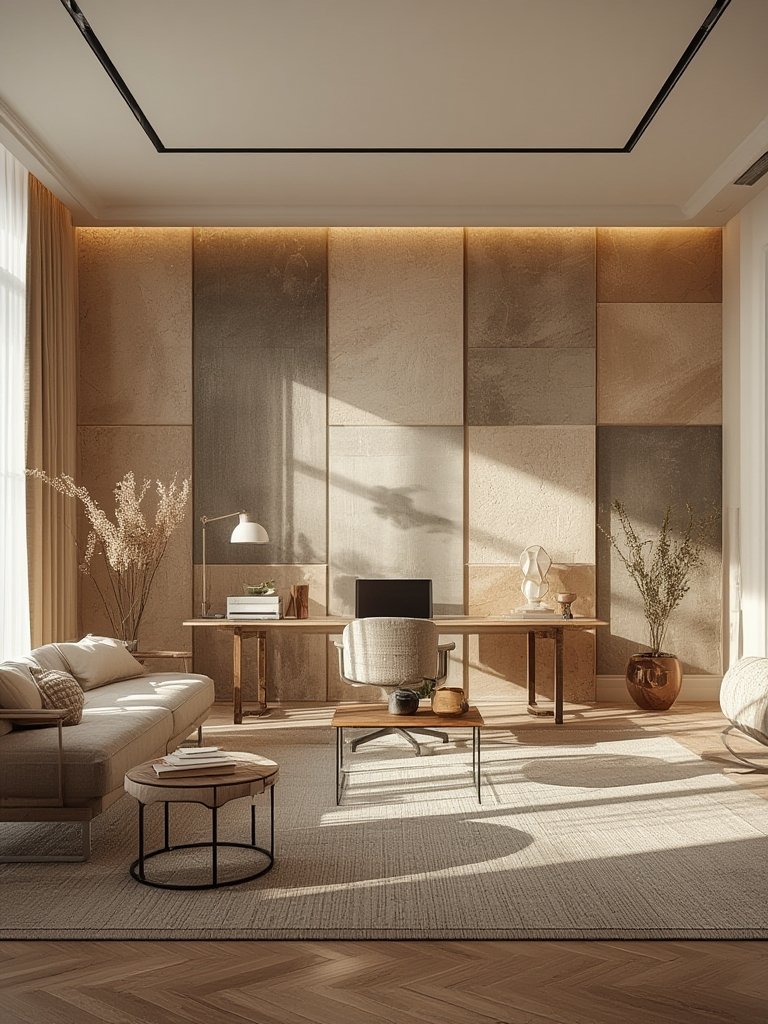
Current market data reflects steady growth in decorative PET acoustic panel usage at 7.2% CAGR, thanks to a surge in residential demand for style-driven, easy-to-install solutions. However, dense mineral wool and high-end fiberglass—featured in many industrial settings—still win in raw sound absorption and fire resistance, as detailed in the Acoustic Panels Market 2024 Outlook. For homes, the choice boils down to your noise challenge, style goals, and budget.
Thinking ahead: creative combinations—like pairing decorative PET panels with heavy curtains or heavy curtains—improve results cost-effectively.
Conclusion
Decorative panels offer a stylish, effective solution for reducing echo and improving comfort in home offices and living areas—but only when you choose the right design, thickness, and placement. While not as powerful as traditional dense panels for complete sound isolation, acoustic wall panels decorative are a practical upgrade if you know their strengths and limits.
Ready to transform your space? Start with high-NRC panels, combine thoughtful layout with clever DIY, and see how easy it is to blend function and beauty. For more home improvement ideas and hands-on tips, check out our other guides or compare the best heat pump water heater options for whole-home efficiency. Questions? Drop them below!
FAQ
Do decorative acoustic wall panels block outside noise?
No. Most decorative acoustic panels absorb echoes and mid-high frequency noise inside the room. They don’t block (“soundproof”) street noise or loud neighbors—dense material and special construction are needed for true soundproofing.
How can I tell if a panel will actually reduce echo?
Check the NRC rating (Noise Reduction Coefficient)—higher values (0.7 or above) mean better absorption. Also, look for third-party test data, not just claims or reviews.
Can I install acoustic wall panels decorative by myself?
Yes, especially PET-based panels designed for DIY. Use provided adhesives or mounting hardware, follow wall prep instructions, and plan your layout before sticking panels up.
What are some overlooked places to install sound absorbing panels at home?
Ceilings, wall corners, and behind large furniture—untreated, these bounce and reflect sound, reducing overall effectiveness.
Are decorative panels renter-friendly and removable?
Most modern PET panels attach with removable adhesive, similar to removable kitchen backsplashes, but always test a small spot for paint compatibility.