

### Blog Post:
Solar battery storage for home is transforming how homeowners control their power, handle outages, and reduce utility bills. Whether you want energy independence or reliable backup, modern home batteries are a practical way to maximize your solar investment—if you sidestep common pitfalls.
Key Takeaways
- Home solar battery systems typically provide 1–3 days of backup for essential loads, but actual backup duration depends on battery size, usage, and solar recharging conditions.
- Compare core specs like usable capacity, power output, and lifespan cycles before you buy—don’t overlook maintenance needs and battery degradation over time.
- Installation costs, system reliability, and ongoing care vary widely—understand these to avoid hidden costs and false expectations.
- What Is Solar Battery Storage for Home?
- How to Set Up Solar Battery Storage: Step-by-Step
- Advanced Analysis & Common Pitfalls
- Conclusion
- FAQs
What Is Solar Battery Storage for Home?
Solar battery storage for home uses large rechargeable batteries to store excess energy that your solar panels produce during the day. This energy runs your home when the sun isn’t shining—at night, during cloudy periods, or in a grid outage—giving you more control and less reliance on the utility company.
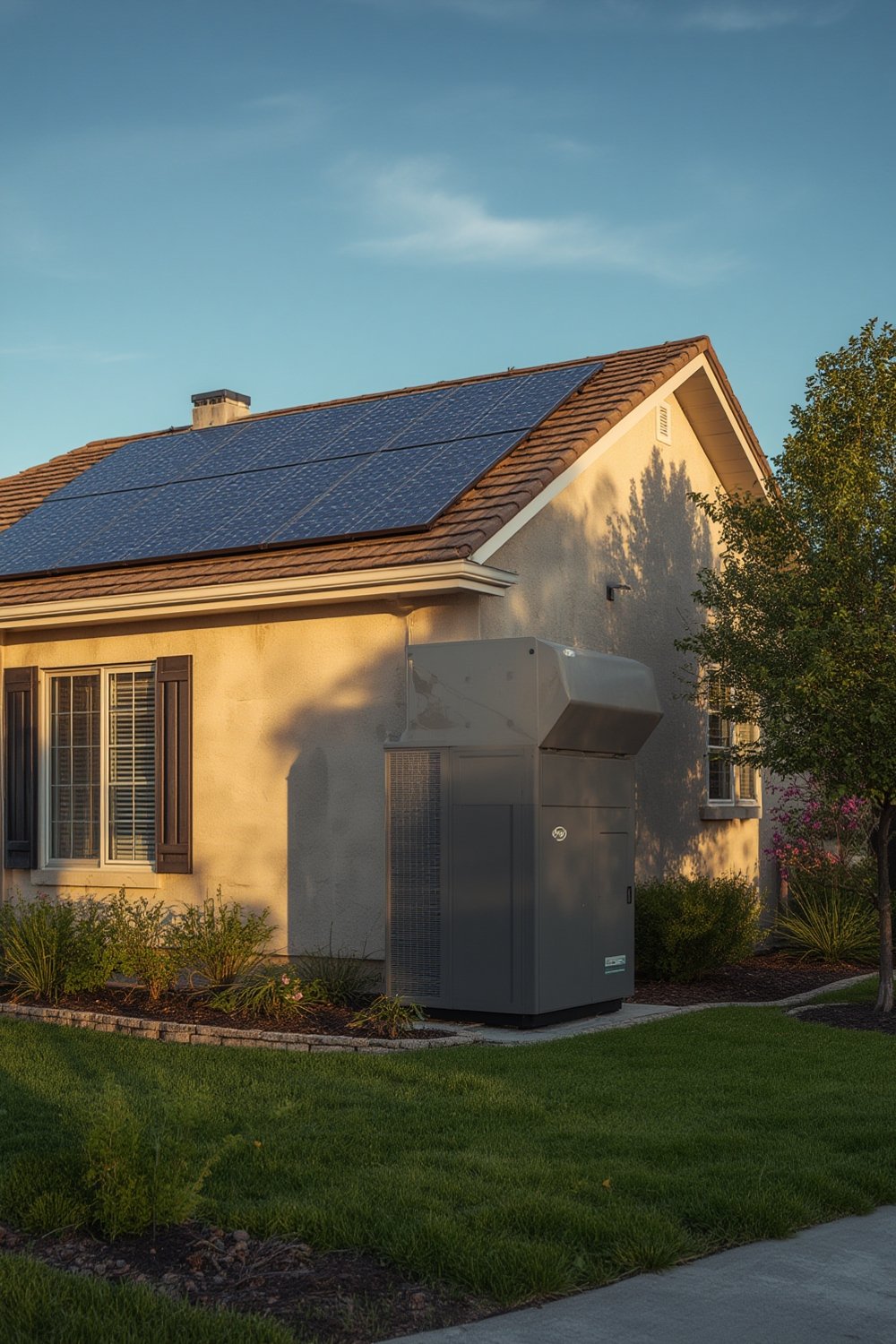
Why is this so relevant for 2024? Utility rates keep rising. Blackouts and extreme weather are more common. With the right setup, you cut your bills and keep your essential appliances running—no matter what goes wrong outside.
Choosing the right system depends on three factors: your essential energy needs, realistic backup timeframes, and understanding limitations. For comparison, a 10 kWh battery often covers essentials (fridge, lights, outlets, some electronics) for about one full day without solar recharging. Trusted research confirms you can extend this with more batteries or by adding new solar panels.
If you’re upgrading other home systems, you’ll want to check out how heat pump water heater installation and smart thermostat with AI learning can further boost your overall energy efficiency year-round.
How to Set Up Solar Battery Storage: Step-by-Step
- Assess Your Energy Needs: List must-have appliances during an outage—fridge, phone chargers, wifi, lights, and any medical devices. Tally their hourly watts to estimate daily use.
- Size Your Battery (or Batteries): Most homes use a 10–15 kWh system for basic backup. Use your daily usage to choose the right capacity—always plan a buffer for extra hours.
- Compare Technical Specs: The most critical specs are: usable capacity (actual energy you can access), continuous power output (the max your battery delivers at once), and warranty cycles (expected lifespan or years).
- Select Installer and Approvals: Get quotes from qualified local installers who are familiar with your region’s codes, incentives, and grid interconnection protocols.
- Schedule the Installation: Full install takes 1–3 days. Confirm locations for batteries (usually garage, utility room, or outdoors in enclosures).
- Monitor and Maintain: Set up app-based monitoring to track battery health and usage from your smartphone. Schedule routine checks. Monitor and Maintain
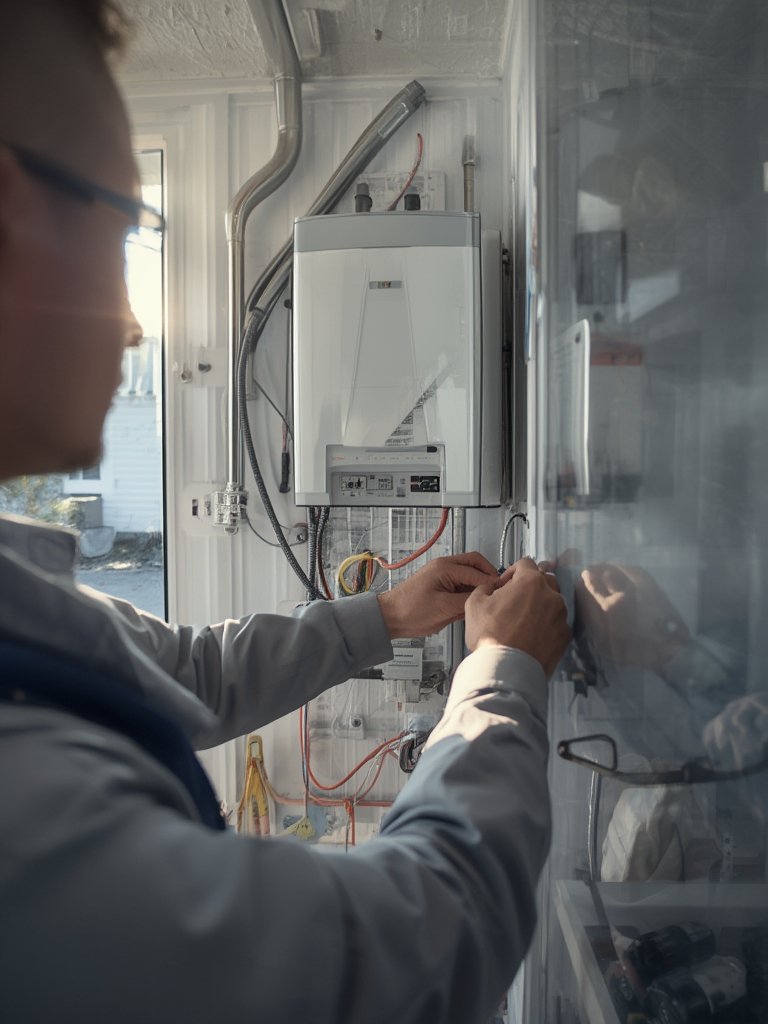
While sizing, remember that most installers recommend oversizing your battery slightly to account for storage losses and occasional higher-demand loads. It’s also smart to ask about combining with EV charger installation at home if you drive electric—your battery can supplement car charging during short outages or peak pricing periods.
Finally, check if your local incentives or rebates require special hardware, smart monitoring, or enforce certain brands. Some utilities only support specific certified battery systems.
Advanced Analysis & Common Pitfalls
Even the best solar battery storage for home isn’t foolproof. It’s important to understand common pitfalls—and how leading brands stack up—before you commit thousands of dollars to your power security.
| Capacity | Small Home Essentials | Average Home Essentials | Large Home Essentials |
|---|---|---|---|
| 5 kWh | 10–12 hours [source] | 5–6 hours [source] | N/A |
| 10 kWh | 20–24 hours [source] | 10–12 hours [source] | About 1 day [source] |
| 15 kWh | 1.5–2 days [source] | 15–18 hours [source] | 9–12 hours [source] |
| 20 kWh | 2–3 days [source] | 1–1.5 days [source] | 12–18 hours [source] |
Top 3 Technical Specs to Compare
- Usable Capacity: Not all the energy in your battery is available. Most models keep a reserve to extend life—for instance, a “10 kWh” unit may only provide 9 kWh.
- Power Output Rating: This is the maximum watts your battery can supply at once (key for running major appliances like pumps or microwaves).
- Lifespan or Cycle Warranty: Most batteries last 10–15 years or 5,000–10,000 cycles, but warrantied cycles vary widely.
Common Pitfalls Homeowners Face
- Overestimating Backup Duration: Many buyers expect “whole home” coverage, but most systems (like SunVault, Powerwall) only run essentials for up to two days unless you stack several batteries or limit loads.
- Hidden Costs: Permits, smart monitors, and code upgrades may not be included in basic install quotes. Budget for 10–20% extra above base price—especially if upgrading wiring or panels.
- Battery Degradation: All batteries lose storage over time. Performance is best the first few years, then gradually declines; expect capacity to drop 20–30% over a decade.[Evidence]
- Lack of Independent Brand Data: True third-party performance and warranty claim rates are often not public or up-to-date for brands like Tesla or SunVault. Compare specs and ask local installers about their real-world experience and support.[Reference]
- Maintenance Overlooked: Batteries require periodic inspection, cleaning, firmware updates, and app or inverter checks for safety and warranty compliance.
For more storage insights beyond backup batteries, see our guide to under sink pull out organizer—it’s small-space optimization for all kinds of home upgrades.

Conclusion
Choosing the right solar battery storage for home means understanding your backup goals, sizing your system for real-world use, and comparing the lifespan, output, and maintenance requirements. Take time to research, get local quotes, and look for certified installers who know your regional incentives and building codes. A carefully planned home battery setup can keep your lights—and your peace of mind—on for years.
If you’re ready to take control of your home’s energy future, explore how solar battery storage for home can fit your needs. Get a quote today and start preparing for the next outage or utility rate hike.
FAQs
How long will a solar battery keep the lights on during an outage?
With a 10 kWh home battery, you can expect to run essentials for about 20–24 hours without recharging. Larger batteries increase this time. With sunshine to recharge, backup can last for several days. Learn more here.
What maintenance do home solar batteries need?
Regular checks for dust, connections, and firmware updates are needed. Use your system’s monitoring app to catch faults early. Some manufacturers require annual inspections for warranty coverage.
Do solar home batteries work during blackouts?
Yes. Batteries instantly deliver power to preselected critical circuits during grid outages. If your panels get sunlight, the system can recharge and extend backup time, even if the utility power is down. More details here.
How do I pick the right size solar battery for my home?
Add up the daily watt-hours for your essential appliances, then select a battery with at least that usable capacity (plus 10–20% for loss and emergency margin). A professional installer will help you fine-tune sizing for your situation.
Is solar battery storage financially worth it?
The answer depends on your area’s utility rates, blackout risk, available incentives, and how much value you place on energy independence. Savings are biggest where time-of-use rates, frequent outages, or generous rebates exist.