

window insulation film winter solutions offer an accessible, renter-friendly way to reduce heat loss and improve comfort in your home during cold months. Whether you live in an old apartment or a drafty house, learning how these films work, potential drawbacks, and real-world effectiveness will help you make an informed decision before the next cold snap settles in.
Key Takeaways
- Apartment windows typically account for 25-30% of heat loss in winter; window insulation film can help reduce this energy drain.
- Temporary films are affordable, renter-safe, and easy to install but have limitations compared to permanent upgrades like double-glazed windows.
- Choosing the right installation techniques and maintenance is key to maximizing benefits and avoiding common pitfalls.
- How Window Insulation Film Works & Why It Matters in Winter
- Step-by-Step Guide: Installing Window Insulation Film for Winter
- Advanced Analysis & Common Pitfalls With Window Insulation Films
- Conclusion
- Frequently Asked Questions
How Window Insulation Film Works & Why It Matters in Winter
Window insulation film is a thin, transparent plastic applied to the inside of window frames during winter. Its primary purpose is to reduce heat transfer, block drafts, and create an extra barrier that can cut down on your heating bill. According to the U.S. Department of Energy, windows in older apartments and homes can be responsible for 25% to 30% of overall heat loss. Most of that heat escapes through single-pane or poorly insulated windows, especially when radiant energy passes straight through the glass and when leaky window frames let in drafts.

Installing temporary window insulation film helps slow this loss by adding a layer of air between your living space and the cold exterior, similar to how double-glazing works—just at a fraction of the cost. These films are usually affordable, simple for DIYers, and a smart choice if you’re a renter or not ready to invest in permanent window upgrades.
But—as reported by industry experts—permanent solutions like new, double-pane, low-emissivity (Low-E) windows, while far more effective for the long term, also come at a higher price tag and require landlord or HOA approval in many cases. For most tenants and budget-conscious homeowners, winter window insulation film strikes the right compromise between performance and convenience.
If you’re looking for renter-friendly or temporary upgrades elsewhere in your home, you might also find inspiration in our removable backsplash tiles guide, which tackles the same “no-permanent-changes” challenge for kitchens.
Step-by-Step Guide: Installing Window Insulation Film for Winter
Installing window insulation film is a straightforward project and can be completed in an afternoon with common household tools. Here’s how to do it for best results:
- Step 1: Gather Supplies. Most kits include double-sided tape and plastic film. You’ll also need scissors, measuring tape, and a hair dryer (or heat gun).
- Step 2: Prep the Surface. Clean your window panes and frames thoroughly. Let dry completely.
- Step 3: Measure & Cut Film. Measure each window and cut your film, leaving a 1-2 inch margin around edges for easy handling.
- Step 4: Apply Double-Sided Tape. Stick the tape all around the window frame—not the glass.
- Step 5: Attach the Film. Carefully press the film onto the tape, starting from the top and working down. Smooth out as you go to minimize air bubbles and creases.
- Step 6: Seal With Heat. Use a hair dryer on the hottest setting to gently shrink the film. Move slowly over the entire surface until it is taut and clear.
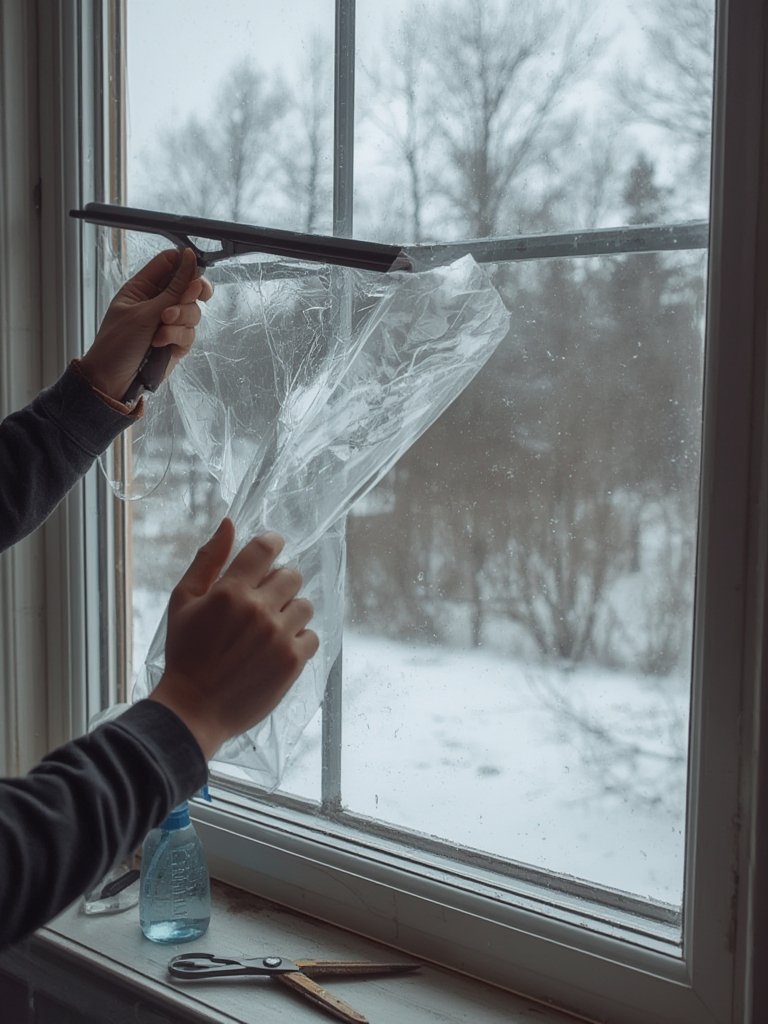
- Step 7: Repeat as Needed. Apply to every window letting in cold air, especially those facing north or exposed to wind.
- Step 8: Inspect for Gaps. Run your hand around frame edges. If you feel cold air, reseal or re-apply tape as needed.
You’ll usually notice an immediate improvement in comfort and a reduction in cold drafts. Be aware that condensation buildup can sometimes form on the inside of the film or on the glass, so regular checks are beneficial. In particularly damp homes, consider using a small dehumidifier.
Looking to boost the energy efficiency of other appliances? Check out our actionable heat pump water heater installation guide and discover year-round utility savings.
Advanced Analysis & Common Pitfalls With Window Insulation Films
Temporary films offer quick improvements but also have drawbacks. It’s important to set realistic expectations and understand potential issues before you start.
How Insulation Films Compare to Permanent Upgrades
| Feature | Window Insulation Film | Double-Glazing Upgrade |
|---|---|---|
| Insulation (U-factor) | Improves over single-pane but typically not rated; dependent on seal quality | 0.45 to 0.55 (double-pane); 0.30 with Low-E/gas fill |
| Cost | $5-$25 per window (DIY kit) | $300-$1,000 per window (installed) |
| Lifespan | One season; must be removed in spring | 20 years or more |
| Suitability for Renters | Excellent; removable | Not practical; requires landlord approval |
| Visual Impact | Mostly clear; may show seams/wrinkles | Invisible; clear, solid window |
Common Pitfalls & Problems
- Poor adhesion: Dirty or cold frames can prevent tape from sticking, causing drafts and falling film.
- Condensation buildup: Insulation film can trap moisture, leading to foggy windows or mold if left unchecked.
- Tearing or wrinkling: Films are thin; rough handling or pets can damage them easily.
- Removal residue: Some tapes leave sticky residues, requiring careful cleaning every spring.
- Limited insulation: While films help, their effect is marginal compared to permanent upgrades like ENERGY STAR windows (see comparative analysis).
Realistically, you’ll get the most value from films on visibly leaky, drafty, or single-pane windows. Their main advantage is being cheap, quick, and fully removable—vital for renters, short-term cold snaps, or when permanent upgrades aren’t possible.
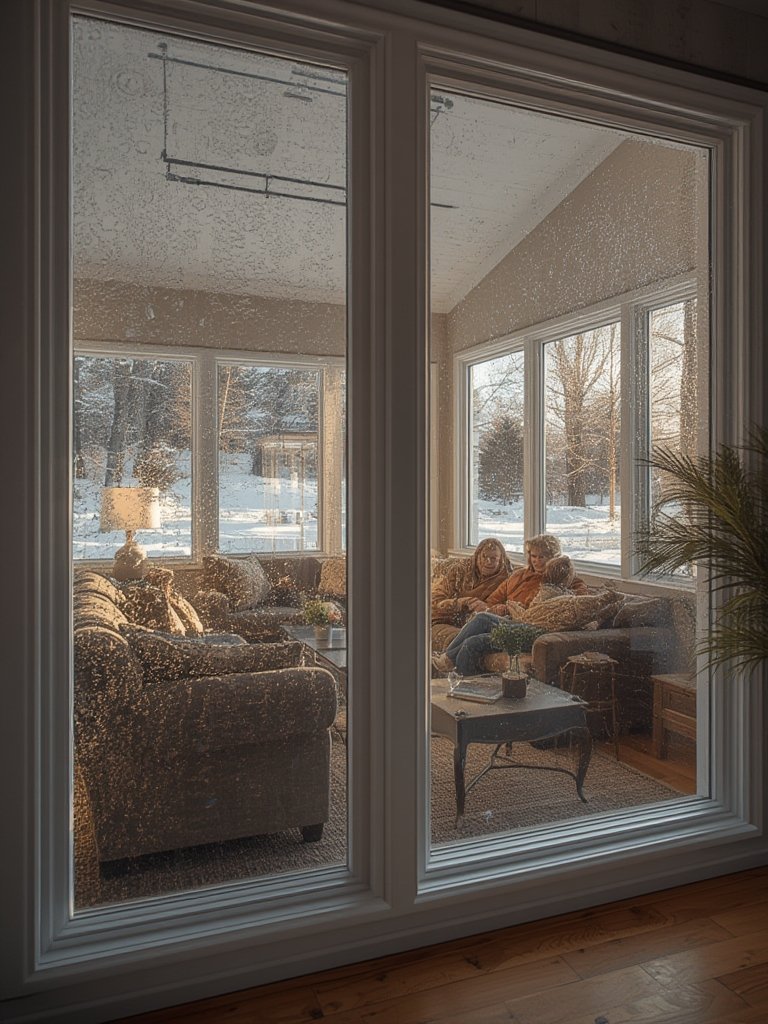
For long-term savings or in climates with severe winters, investing in modern double glazing or Low-E windows makes a much bigger difference. For more permanent efficiency upgrades beyond windows, explore the lasting benefits of a smart thermostat with AI learning or consider our EV charger installation at home guide if you’re focused on sustainable home improvements.
Conclusion
Temporary window insulation film winter solutions are a smart, affordable way to improve comfort and reduce heating bills in the colder months—especially for renters or those not ready to invest in upgrading to modern windows. While they won’t perform miracles, proper installation gives you immediate comfort improvement, keeps drafts at bay, and helps winter feel a little less harsh at home. Ready to try it yourself? Gather your supplies and experience the difference this season.
Frequently Asked Questions
Does window insulation film actually work in winter?
Yes, when properly installed, window insulation film can noticeably reduce cold drafts and heat loss through older windows. While it does not match the performance of permanent upgrades, it provides a significant comfort boost for the cost.
Can you use window insulation film in rental apartments?
Absolutely. Insulation film is designed to be removable and non-damaging, making it one of the most renter-friendly winterizing projects available. Always check your lease for any specific restrictions.
How long does window insulation film last?
Most films are intended for single-season use. After winter, they are easily removed and should be replaced the following year for optimal results and appearance.
Are there any drawbacks to using window insulation film?
Yes. Films can sometimes trap moisture, create minor condensation, or leave sticky tape residue. With care in installation and removal, these issues can be minimized.
How does window film compare to other insulation upgrades?
Films are a cost-effective, immediate fix but don’t match the thermal performance or lifespan of double-pane, Low-E, or triple-pane windows. Permanent upgrades are much pricier but deliver bigger long-term savings and comfort.