

Garage gym flooring tiles are one of the most important investments for a safe, durable, and efficient workout space — but not all gym flooring is created equal. If you want your garage gym to stand up to drops, weights, and long-term use, there’s a lot more to picking gym floor tiles than meets the eye.
Key Takeaways
- Heavy-duty rubber garage gym flooring tiles and rolls deliver the best combination of durability and value for intense home gyms.
- Expect strong initial rubber smells, minor seam lifts, and possible batch inconsistencies with some lower-cost options.
- DIY installation is cost-effective and practical, but you must consider moisture, proper cutting, and floor clearance for best results.
- What Makes Garage Gym Flooring Tiles Essential?
- How to Install Garage Gym Flooring Tiles: Step-by-Step
- Advanced Analysis & Common Pitfalls
- Conclusion
- Frequently Asked Questions
What Makes Garage Gym Flooring Tiles Essential?
Garage gym flooring tiles give you a shock-absorbing, durable surface that protects your body and your concrete. Standard garage floors crack under heavy weights, amplify noise, and wear down quickly. Rubber gym tiles — especially interlocking tiles or robust 8mm+ rubber rolls — cushion your joints, minimize dropped weight damage, and provide traction for safe lifting and cardio movements.
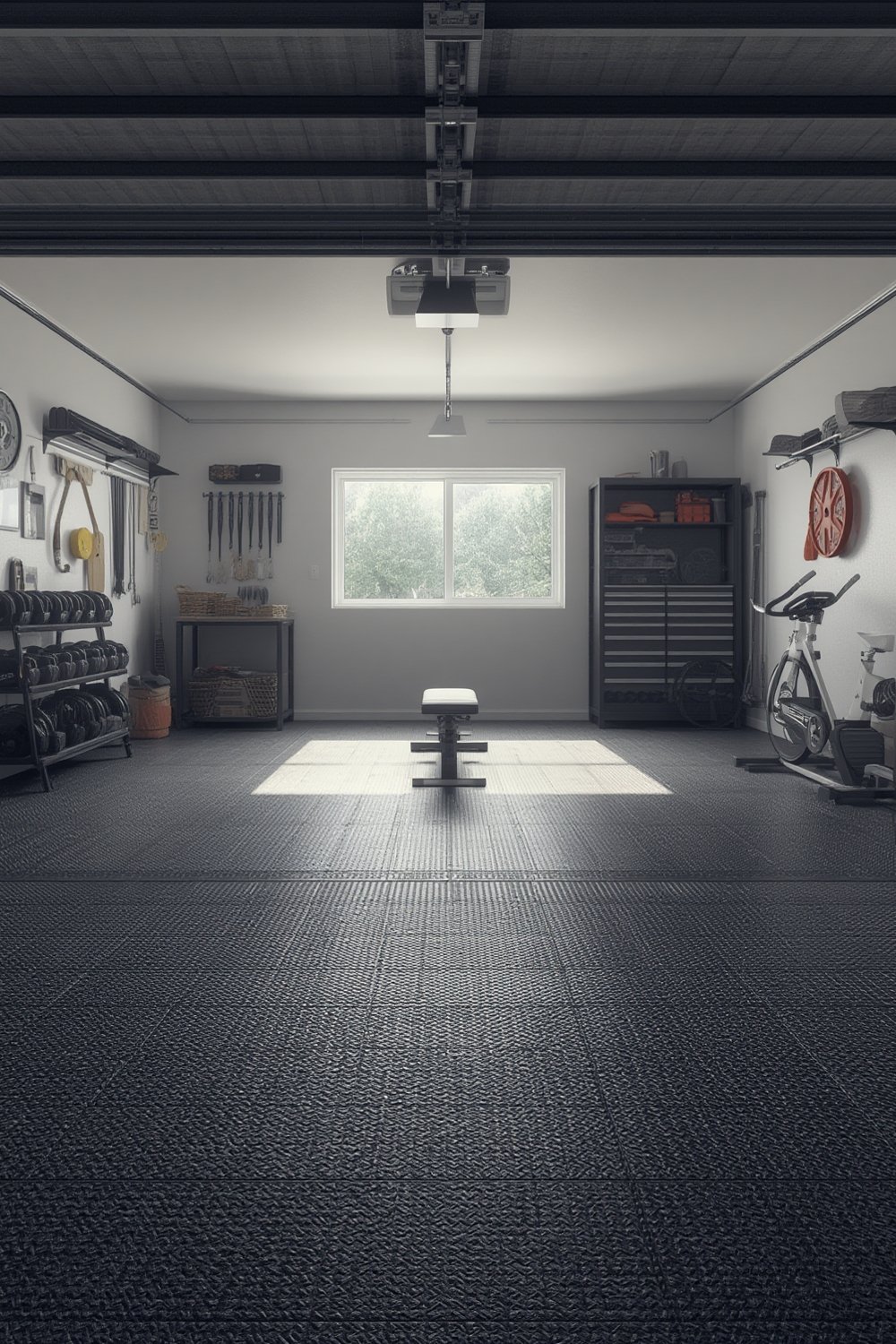
In 2024, the best-selling options like Living.Fit Gym Mats (nearly half-inch thick) and Flooring Inc 8mm rolls are chosen for their proven durability and cost-effectiveness.[source] Relative to cost, thicker tiles prevent concrete cracks, mute sound, and make your workouts safer. Cheaper foam or lightweight tiles don’t hold up to heavy lifting — seams can unlock, gaps form, and you lose stability. Rubber is king for anyone serious about home fitness results or protecting their space.
There are overlooked factors: moisture in the garage can lead to mold if you use flooring that traps water, while low-quality stall mats sometimes have oil spots or odors that linger for months. It’s not just about price — it’s about picking the right thickness, material, and fit for your intended training style and your garage layout.
If you want to see more practical tips for home improvement, check out our guide to DIY home ideas and interior inspiration.
How to Install Garage Gym Flooring Tiles: Step-by-Step
Setting up your own garage gym flooring tiles is a realistic DIY project as long as you prepare and work methodically. Here’s what you need to do for a solid, professional-looking floor that lasts:
- Clear everything out. Move all items from the garage. For epoxy or glue-down surfaces, you may need offsite storage for several days. For heavy mats and tiles, a clean, empty space helps you work faster and achieve a tight fit.
- Clean and level the floor. Sweep, vacuum, and mop the concrete. Ensure there’s no oil, debris, or bumps that would cause uneven seams or tiles that don’t sit flat.
- Measure and plan your layout. Start with the largest mats/tiles first at the area where you’ll do the most lifting, then fill in smaller sections. For interlocking tiles, plan to “stagger” seams to distribute weight and reduce seam lift over time.
- Install tiles/rolls. Lay tiles from one wall outwards, pressing seams tightly together. If needed, trim the final pieces for a wall-to-wall fit without expansion gaps. Interlocking tiles simply fit together by hand; rubber rolls (8mm) can be trimmed to size using a straightedge and knife.
- Check for seam lifts. Press down seams and walk over the floor. Some seam lifts (up to 1/8-inch) after a year, but this is rarely noticeable if locked tightly at installation.
- Let it acclimate. Wait 24-48 hours before heavy use to allow any remaining odors to dissipate and ensure the mats settle flat.
On a tight budget? Rubber rolls (8mm) are easier and cheaper per square foot than horse stall mats or premium tiles, with DIY-friendly trimming. If you want more home improvement upgrades, don’t miss our ideas for modern home design inspiration.
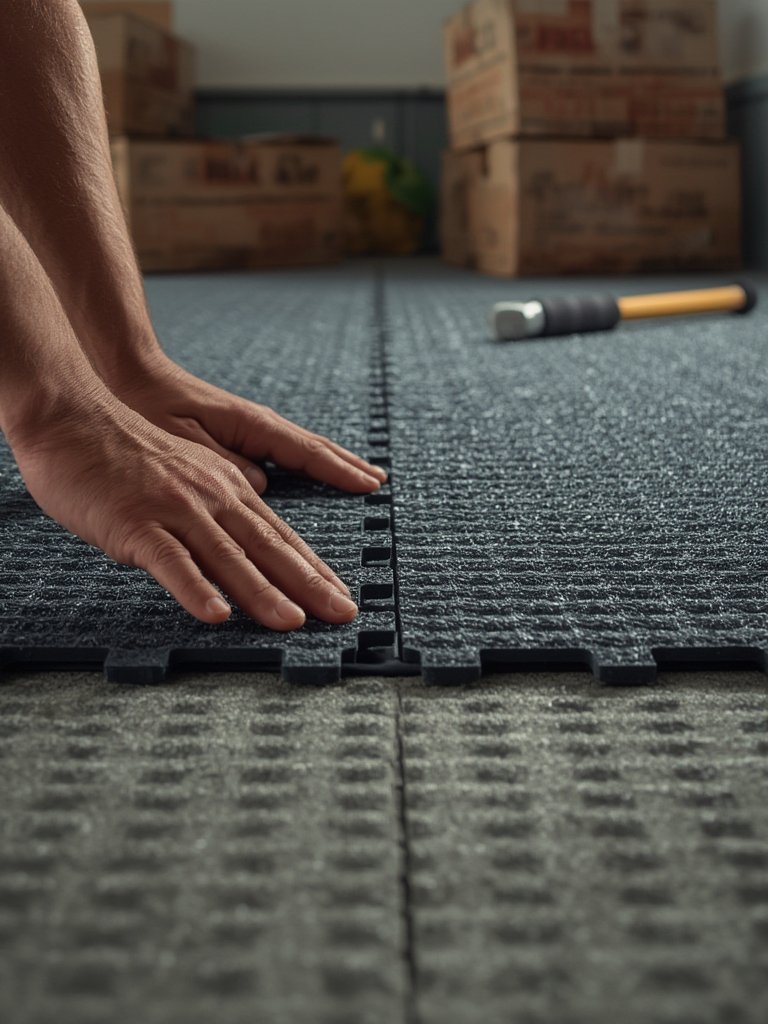
For larger or high-impact gyms, stick with vulcanized rubber tiles minimum 8mm thick, as they withstand repeated 300-pound drops from 6 feet off the ground without unlocking or damaging the floor. Inconsistent or cheap stall mats (sometimes sold for horse stalls) can have oil spots or uneven thickness; batch quality changes if not purchased all at once.
Some home gym owners report seams that gradually lift by 1/8-inch over a year—a tradeoff that’s minor and rarely noticed during actual workouts.[source] Rubber’s benefit is low upkeep: just sweep and mop, and you’re done.
Advanced Analysis & Common Pitfalls
Let’s dig deeper into performance differences, real-world complaints, and the most overlooked issues with garage gym flooring tiles.
| Type | Shock Absorption | Soundproofing | Durability | Common Issues | Maintenance |
|---|---|---|---|---|---|
| 8mm-1/2” Rubber Tiles/Rolls | 4-5/5 — Excellent, safe for heavy drops | 4-5/5 — Strong sound damping | 5/5 — Holds up to 300lb drops | Rubber smell (4+ months), minor seam lift, batch inconsistencies in stall mats | Easy mop/wipe, oil-resistant |
| Foam Puzzle Tiles | 3/5 — OK for yoga, poor for weights | 2/5 — Minimal noise reduction | 3/5 — Seams unlock, wear quickly | Unlocks with lifts, traction issues, gets dirty easily | Requires frequent cleaning |
| Epoxy | 2/5 — Bad for heavy-lifting | 2/5 — Minimum sound deadening | 3/5 — Prone to chips | Slippery when wet, needs pro install, moisture traps | Easy to wipe, but slippery and risky for mold |
- Strong initial rubber odor is a universal complaint for heavy-duty mats. Expect it to fade after 4–4.5 months, though ventilation and airing out before install help. After a year, odor is generally gone.[source]
- Installation pitfalls: Garage clearance logistics are often overlooked. For epoxy, you may need storage containers while the floor dries for 3–7 days.[source] For mats, be ready for heavy lifting and precise edge cutting. Even minor seam gaps or misalignments will be magnified under heavy use, leading to uneven floor surfaces.
- Batch inconsistencies: With stall mats, buying from different batches sometimes results in visible oil spots or significant texture/size variation. This can force an early and expensive upgrade to premium rubber tiles.
- Seam and edge lift: Even with precise installation, some seams may lift slightly (usually under 1/8”). This is typically harmless, but it can annoy perfectionists or cause debris to get caught if left unchecked.
- Slippery or low traction surfaces: Certain tiles (including foam and cheaper PVC) remain slippery, requiring training in shoes or risking injury. Quality rubber offers better grip, but always test it out.
- Moisture problems: Standing water beneath mats or epoxy can trap moisture, leading to mold over time. Always check garage humidity levels and opt for flooring that doesn’t seal water beneath it. If you’d like more solutions for modernizing your garage and living spaces, see our article on smart home improvement tips.
DIY rubber tiles and rolls are much simpler to install, faster to clean, and give long-term reliability. Professional epoxy or glue-down installations cost more in both labor and time, need full garage clearance, and present health concerns with fumes.[source] For most home gyms, DIY rubber is the realistic, budget-friendly winner.
Conclusion
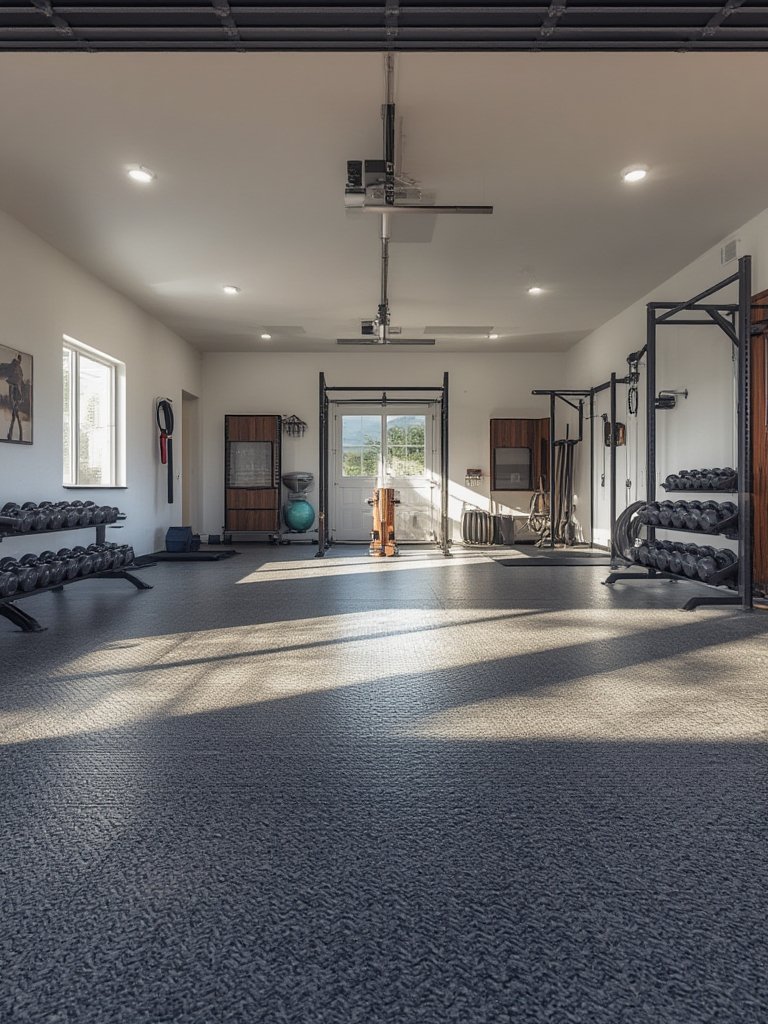
Choosing and installing garage gym flooring tiles gives you a safe, resilient, and practical foundation for any home workout setup. The best choice remains high-quality, thick rubber tiles or rolls — durable, shock-absorbing, and easy to maintain. DIY installation offers real savings and the flexibility to adjust or upgrade as your needs change.
If you’re ready to make your workouts safer and your garage gym last, invest in garage gym flooring tiles designed for real weightlifting and high-impact routines. Not sure where to start? Explore more DIY home ideas and guides on modernizing your home gym space.
Ready to build your garage gym foundation? Start planning and secure your rubber tiles today.
Frequently Asked Questions
What is the best thickness for garage gym flooring tiles?
For heavy weightlifting and high-impact workouts, look for rubber tiles at least 8mm thick (ideally up to 12mm or more). Thicker mats offer superior shock absorption, protect your concrete, and last longer than foam or thinner alternatives.
Do garage gym flooring tiles smell?
Almost all new rubber mats and tiles have a strong rubber odor that fades over time. Ventilate your garage and let the tiles air out for up to 48 hours before installation. Most odors disappear within 4-5 months of regular use.
Can I install garage gym flooring tiles by myself?
Yes, DIY installation is very doable with rubber interlocking tiles or rolls. You typically need only a utility knife and straightedge for trimming. Be sure to clean and prep your garage floor beforehand, and measure carefully to reduce seam gaps. Professional help is usually only needed for epoxy or glue-down floors.
What are the main problems with heavy-duty gym mats?
Early complaints include strong rubber smells, possible seam lifts over time (up to 1/8-inch), and batch inconsistencies if buying different stall mat lots. Some surfaces are slippery until cleaned, so always test with shoes on first.
How do rubber tiles compare to foam or PVC for garage gyms?
Rubber tiles outperform foam and PVC for shock absorption, soundproofing, grip, and durability—especially under heavy lifting. Foam is better suited to yoga or bodyweight exercise, while PVC options are less durable and more prone to cracking or slipping.